As the war of attrition continues, Ukraine’s strategic campaign of targeting Russia’s economic backbone is yielding severe consequences for the Kremlin’s war machine. According to international energy analysts at Reuters, Russia is currently grappling with an escalating domestic fuel crisis triggered by systematic and highly precise Ukrainian drone strikes on major oil refineries. What began as localized disruptions in occupied territories has now transformed into a systemic deficit of refined petroleum products across several key regions of the Russian Federation itself.
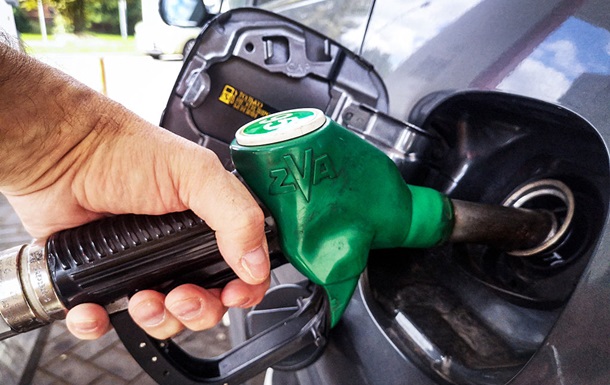
Recent reports indicate that the fuel shortage has severely hit the Belgorod and Kursk oblasts bordering Ukraine. At gas stations operated by Rosneft, Russia’s largest oil refining company which controls 13 major refineries, operators have banned the sale of AI-92 gasoline in canisters. Furthermore, passenger cars are no longer allowed to fill up their tanks completely, with a strict limit of 20 liters of AI-95 gasoline imposed per vehicle. Simultaneously, AI-92 gasoline has completely vanished from Tatneft stations, with employees admitting that no new shipments are expected in the near future.
The crisis is rapidly creeping closer to the Russian capital. In the New Moscow district, petrol stations have begun restricting fuel sales to 60 liters of gasoline and 100 liters of diesel per customer. Disruptions and supply shortages are also being reported further north in the Tver and Novgorod oblasts. These strict measures follow similar rationing schemes implemented in occupied Ukrainian regions, including Crimea, Zaporizhzhia, and Donetsk, where fuel is now distributed via specialized vouchers.
This widespread supply collapse is the direct result of Ukraine’s unprecedented air campaign. In May alone, Ukrainian long-range strike drones targeted Russian oil processing plants at least 15 times. In total, over 30 strikes were recorded against Russian fuel infrastructure, including pipelines, ports, and tankers, representing a record-high intensity since the invasion began.
Consequently, Russian oil refining volumes have plummeted to their lowest levels since 2009. By mid-May, refining capacity amounting to 238,000 tons per day—approximately a quarter of Russia’s entire refining industry—was successfully knocked offline. Despite the Kremlin’s emergency bans on gasoline exports since March and aviation fuel exports since June, the domestic market remains highly unstable, proving that Russia’s energy-dependent economy is increasingly vulnerable.