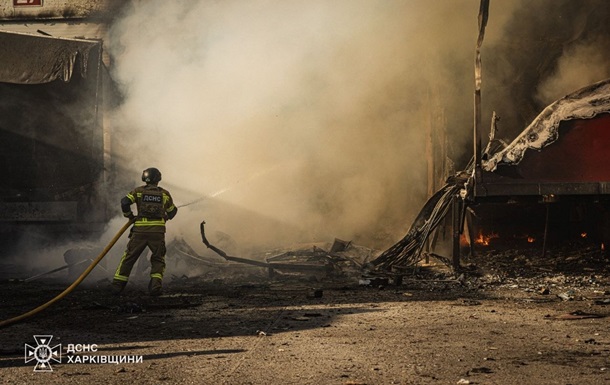
On the evening of Saturday, June 20, Russian forces carried out a calculated war crime in the suburbs of Kharkiv, as reported by the State Emergency Service of Ukraine in the Kharkiv region. The Russian military utilized the lethal ‘double tap’ tactic, launching a second wave of drone strikes precisely when emergency personnel arrived on-site to address the damage from the first hit.
The impact severely damaged the postal facility, destroying trucks, containers, and building structures. A fire spread across more than 400 square meters. Fortunately, no casualties were reported, and the rescue teams managed to contain the flames despite the ongoing threat of further attacks. This incident is part of a broader pattern of Russian aggression against civilian infrastructure, often targeting the very individuals tasked with saving lives.
The ‘double tap’ strike technique is widely condemned as a clear violation of international law. Under the 1949 Geneva Conventions, intentional attacks on civilians, medical personnel, and first responders performing their duties constitute war crimes. Russia’s continued use of this method highlights a strategic intent to maximize casualties among emergency workers and paralyze the city’s rescue capabilities.
The situation in Kharkiv remains critical. Just a week prior, a similar attack on a business in the Kholodnohirskyi district resulted in the deaths of five firefighters who were caught in a second strike. These recurrent tragedies underscore the brutal nature of the war, where frontline cities are subjected to constant surveillance and targeted strikes. The resilience of the Ukrainian emergency services is tested daily, as they continue to operate in environments where their lives are deliberately put at risk by enemy forces.
Factage Ukraine continues to monitor these events as part of the ongoing documentation of war crimes. The international community is increasingly focused on the systematic nature of these attacks, which serve to undermine civilian security. As Ukraine continues to face these threats, the urgency of providing enhanced air defense and protective equipment remains paramount to preventing further loss of life among both the public and those who serve on the front lines of disaster relief.