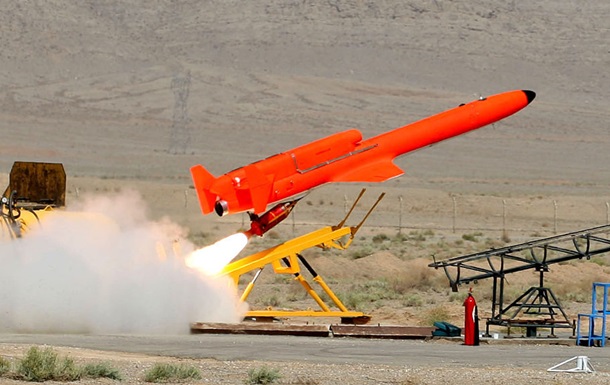
The Russian military is expanding the geographical scope and intensity of its attacks using the upgraded ‘Geran-5’ jet-powered strike drones. Since early April, these advanced UAVs have targeted energy infrastructure in the Sumy and Odesa regions. Recently, Ukrainian monitors detected these high-speed drones flying toward the capital, Kyiv, signaling a potential shift in Russian aerial tactics.
A Shift Toward Mini-Cruise Missiles
Experts note that Russia is gradually increasing the deployment of this weapon, which behaves more like a budget cruise missile than a traditional kamikaze drone. Military journalist Andriy Tsaplienko highlighted that the Geran-5 travels three times faster than standard Shahed drones, warning of the potential for more severe aerial bombardments.
Ukrainian monitoring groups echo this concern. They suggest that the recent drone flights toward Kyiv were essentially reconnaissance missions designed to probe the capital’s air defenses. Analysts believe these pinpoint strikes might be the preparatory phase for future large-scale attacks using jet-powered UAVs.
Technical Specifications and Origins
The primary upgrade in the Geran-5 is the replacement of a standard piston engine with a Chinese-made TELEFLY TF-TJ2000A turbojet engine. This modification allows the drone to reach speeds up to 600 km/h, posing a significant challenge to Ukrainian mobile air defense units.
However, according to the Defense Intelligence of Ukraine (DIU), the drone is not a domestic Russian invention. It is an exact copy of the Iranian Karrar drone, built using electronic components sourced from China, the United States, and Germany. Intelligence also suggests Russia is exploring the possibility of launching these drones directly from Su-25 attack aircraft.
Key specifications include:
- Takeoff weight: 850 kg
- Cruising speed: 450-600 km/h
- Flight duration: Approximately 2 hours
- Estimated range: Up to 950 km
- Operating altitude: 200 m to 6 km
No Cause for Immediate Panic
Despite these alarming capabilities, defense experts urge calm. Military-political observer Oleksandr Kovalenko points out that the turbojet engine generates a massive thermal signature, making the Geran-5 significantly easier for air defense systems to detect and intercept. He considers the current usage of these drones as an experimental phase rather than a tool for mass terror, primarily due to their high production costs.
Furthermore, defense industry experts note that a global shortage of turbojet engines heavily restricts Russia’s ability to mass-produce the Geran-5. With engine supplies backlogged for years, an overwhelming swarm of these jet drones remains highly unlikely in the near future.