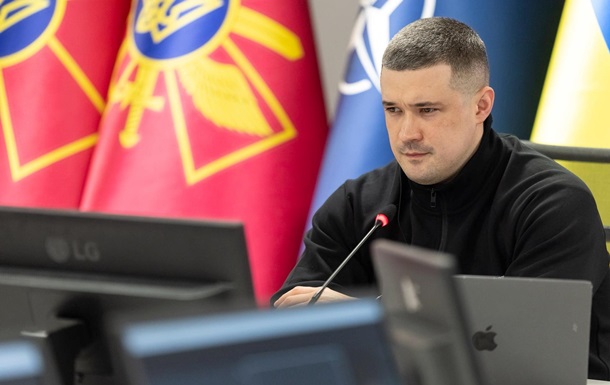
In preparation for the upcoming meeting of the Ukraine Defense Contact Group in the Ramstein format, Mykhailo Fedorov, Ukraine’s Minister of Digital Transformation and coordinator of key defense-tech initiatives, held strategic talks with German Defense Minister Boris Pistorius, British Defense Secretary John Healey, and NATO Secretary General Mark Rutte. The discussions focused heavily on Ukraine’s immediate battlefield priorities and defense modernization, as outlined in Fedorov’s official Facebook post. This high-level diplomatic outreach underscores Kyiv’s shifting focus toward technological superiority and localized production on the front lines.
The primary objective of the consultations was to align expectations and secure firm commitments ahead of the next Ramstein summit. Key priorities identified for immediate action include additional financial and material contributions to the PURL funding mechanism and the urgent procurement of PAC-3 interceptor missiles for Patriot air defense systems via the JUMPSTART initiative. Furthermore, securing a steady supply of extended-range artillery ammunition under the Czech-led initiative remains a top priority to counter Russia’s overwhelming artillery presence.
A major breakthrough in recent allied strategy is the direct funding of Ukrainian-made military drones. By bypassing long foreign procurement cycles, Western partners are increasingly financing Ukrainian defense manufacturers. This model drastically shortens the supply chain and allows for rapid, field-tested modifications of UAVs based on direct feedback from combat zones. Minister Fedorov emphasized that international support must rapidly translate into tangible battlefield results, arguing that domestic drone production is the most cost-effective way to achieve technological asymmetry.
The geopolitical context of these talks cannot be overstated. With Russia intensifying its offensive operations on multiple fronts, Ukraine’s partners must act with greater agility. Delays in military aid delivery directly translate to lost ground and higher casualties. Therefore, securing firm commitments from major European military powers like the UK and Germany, alongside NATO leadership, is aimed at streamlining decision-making processes and ensuring that promised resources reach the frontline without bureaucratic bottlenecks.
Ultimately, Ukraine is advocating for a dual-track strategy: securing immediate high-tech defense assets from abroad while simultaneously scaling up international investment in its own defense-industrial base. This approach not only addresses immediate ammunition shortages but also fosters a more resilient, self-sustaining defense ecosystem capable of deterring future aggression.