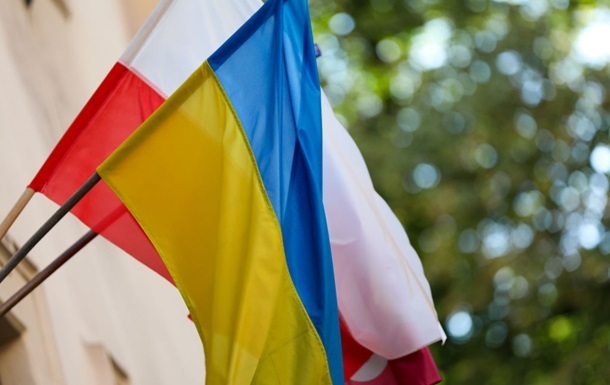
Recent statistics reveal a troubling trend in Poland, where reports of hate crimes targeting Ukrainians have surged by over 30% compared to the same period last year. According to Rzeczpospolita, 180 such complaints were filed in the first half of 2025 alone. If this trajectory continues, the annual number of reported hate crimes against Ukrainians could reach 360, marking a significant increase from previous years.
Experts suggest that these figures represent only the tip of the iceberg, as many victims fear reporting incidents to the police. The hostility is driven by a toxic combination of online aggression, often amplified by Russian-backed troll farms, and inflammatory political rhetoric regarding historical disputes. These elements create a climate of intolerance that frequently boils over into physical violence or aggressive verbal harassment, such as the recent cases in Łódź and Bielsko-Biała.
Analysts emphasize that such hate crimes serve a specific goal: the destabilization of social cohesion and the erosion of Polish-Ukrainian solidarity. Russian propaganda intentionally exploits sensitive historical wounds to sow discord between the two nations, aiming to break the political and public support for Ukraine during the ongoing war. While Polish authorities are currently verifying these cases to legally classify them as hate crimes, civil society activists are calling for more robust government intervention and awareness campaigns to combat the rising tide of xenophobia.
Addressing these challenges requires more than just police enforcement; it requires a concerted effort to debunk misinformation and foster dialogue. As the political landscape in Europe remains fragile, the ability of both nations to navigate these provocations is vital. Protecting refugees and Ukrainian citizens currently in Poland is not just a matter of law and order, but a strategic necessity to maintain the unified front that has defined the bilateral relationship since the start of the full-scale invasion. Without a proactive stance against hate speech and organized sabotage of social unity, the risk of further marginalization remains a potent threat to regional security.