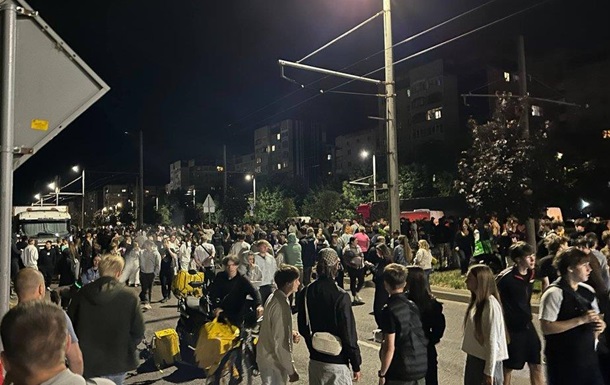
A recent incident in the Sykhiv district of Lviv has sparked a significant public debate regarding the enforcement of mobilization protocols. According to the official statement from the Lviv Regional Recruitment Center (TCC), a routine notification event escalated into violence when a crowd blocked and overturned a military service vehicle. This follows an earlier attempt to bring a draft dodger to a medical examination.
The incident has drawn strong reactions from local authorities. Maksym Kozytsky, head of the Lviv Regional Military Administration, emphasized that while order must be maintained and those attacking military personnel must be identified and prosecuted, there will also be a formal internal investigation into the conduct of the recruitment officers themselves. This dual-track approach aims to address public grievances while upholding legal standards.
The situation highlights a growing friction within Ukrainian society as the state continues its efforts to bolster the armed forces. Tensions are exacerbated by the highly sensitive nature of mobilization, where any real or perceived procedural violation can ignite local anger. The investigation into the incident will focus on whether the TCC staff acted within their legal mandates when approaching the citizen, who was reportedly on a wanted list for registration violations.
Analysts suggest that such events are symptomatic of the communication gap between the mobilization agencies and the public. To stabilize the situation, authorities must ensure transparency in the investigative process. The law must be applied impartially to both those who violate mobilization rules and any officials found to have exceeded their authority. As the war persists, maintaining the integrity of the draft process through legal, predictable procedures is essential for national security and the preservation of social stability. Without clear accountability, the risk of further public disorder remains a challenge that local authorities must navigate with extreme caution and professional restraint.