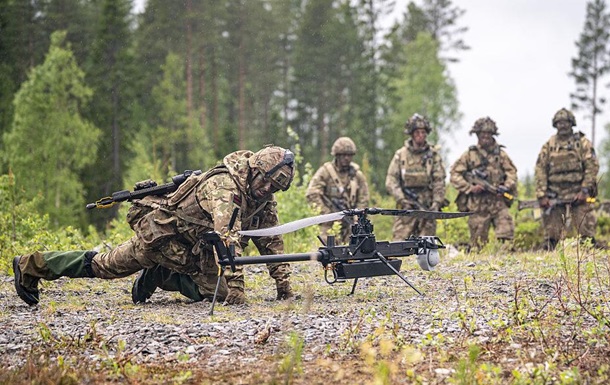
The United Kingdom is embarking on one of the most significant overhauls of its armed forces in decades, heavily influenced by the lessons learned from the war in Ukraine. According to Politico, the government’s new “Defense Investment Plan” (DIP) marks a strategic shift away from building expensive traditional warships in favor of prioritizing unmanned aerial, naval, and underwater systems.
The Ministry of Defence has stated that the UK will emulate Ukraine’s success by focusing on “cheap systems to defeat expensive targets” and accelerating innovation cycles from years to weeks. As a result, the government has decided to halt additional funding for the Type 83 destroyers and Type 32 frigates, which were previously planned as pillars of the Royal Navy’s expansion. Instead, London will invest in at least six new “Common Combat Vessels.” These platforms will serve as command hubs for autonomous systems, including underwater drones and sensor platforms.
The shift follows a clear observation: Ukraine, despite lacking a traditional blue-water navy, has successfully neutralized a significant portion of Russia’s Black Sea Fleet using drones and missile platforms. This asymmetric warfare has forced major military powers to reconsider their spending priorities. Out of a total budget increase of £15 billion, the UK is dedicating £5 billion exclusively to drone development. Ross Exley, VP of Defense Strategy at Hadean, noted that the war in Ukraine has unequivocally changed the character of modern conflict, making rapid technological adaptation essential.
The transformation also extends to the Royal Air Force, with investments in a national program for autonomous jet aircraft designed to operate alongside crewed fighter jets. This modernization effort signifies a deeper integration of AI and remote technology into the fabric of the UK’s military. By abandoning legacy projects in favor of agile, tech-driven capabilities, Britain is aligning its defense posture with the reality of 21st-century warfare. The Ukrainian theater has become the ultimate testing ground for this new military doctrine, proving that innovation and flexibility are the most potent weapons against a numerically superior adversary. As global tensions persist, the UK’s commitment to these reforms underscores the vital importance of learning from the frontlines of the Russo-Ukrainian war to ensure future security.