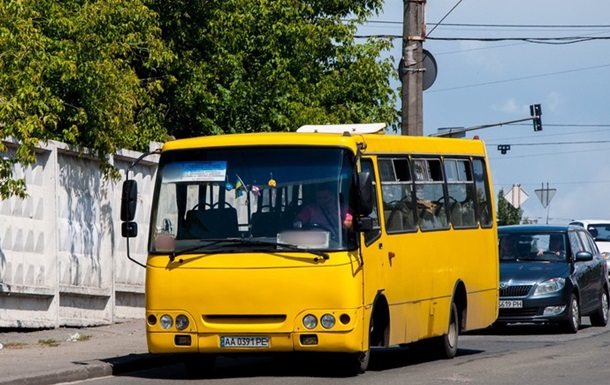
Starting July 15, residents and visitors of Kyiv will face a significant increase in public transport costs as minibus fares rise to 25 UAH. This announcement was made by Igor Moiseyenko, head of the Association of Carriers of Kyiv and the Kyiv Region. The increase, according to transport operators, was inevitable due to the prolonged stagnation of pricing amidst rising costs for fuel, vehicle maintenance, and parts.
Carriers emphasized that they had formally notified the Kyiv City State Administration (KCSA) about the tariff changes well in advance. Moiseyenko argued that the lack of gradual fare adjustments over the past decade created this crisis. According to him, if prices had been adjusted by 1-2 UAH annually, the current jump to 25 UAH would not have been such a financial burden on citizens. However, with the current economic landscape and the operational reality of private transport companies, the industry claims it can no longer function at previous price levels.
This development comes as Kyiv continues to navigate economic pressures exacerbated by the ongoing war. While Ukraine is making significant progress in international integration, such as the opening of the sixth negotiation cluster for EU accession, local infrastructure remains under intense pressure. The transport sector, in particular, faces constant challenges ranging from budget constraints to the direct impact of hostilities, which disrupt logistics and supply chains across the country.
For daily commuters, this fare hike is yet another layer of financial stress. As inflation affects the cost of essential services, the reliance on private minibuses remains high, despite the ongoing debates about the need for a more modernized and regulated municipal transport system. Moving forward, the city’s ability to balance the sustainability of private carriers with the affordability of transport for the public will remain a critical issue for local governance.