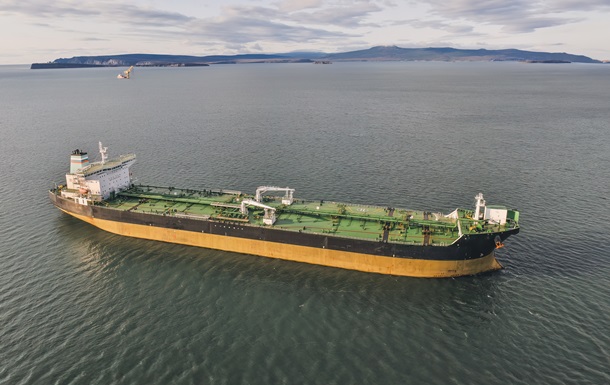
In May, Turkey substantially reduced its maritime imports of Russian Urals crude oil, hitting its lowest monthly level since the beginning of the year. According to a report by Reuters, this decline was driven by a sharp rise in global energy prices and robust demand for Russian barrels in Asia, primarily from India and China. As the Mediterranean’s largest buyer of seaborne Russian oil, Ankara’s shift highlights the limits of its energy cooperation with Moscow when pricing conditions become unfavorable.
Data compiled by market intelligence firm Kpler indicates that Turkey’s Urals imports averaged approximately 161,000 barrels per day (bpd) in May. This represents a notable decline from the daily average of 189,000 bpd observed between January and April of this year. The drop is even more pronounced when compared to May 2025, when Turkey imported an impressive 302,000 bpd of Russian Urals crude. The near-halving of year-on-year import volumes underscores that Turkish refiners are highly price-sensitive and unwilling to purchase Russian grades without significant discounts.
This shift is occurring against the backdrop of tighter global oil supplies from Gulf producers, which has driven benchmark prices higher and reduced the discount on Russian Urals. Market sources note that Turkey has grown accustomed to cheap Russian crude and is reluctant to pay higher premiums as the price gap with Brent narrows. Additionally, with the risk of secondary Western sanctions on banks handling Russian payments, Turkish refiners are increasingly turning to Caspian Sea CPC Blend crude, which offers a reliable and politically less risky alternative.
Moreover, the redirection of Urals crude to Asian markets has created logistical challenges and altered regional pricing dynamics. Geopolitical tensions in the Middle East temporarily pushed the premium for Urals in Indian ports to as high as $8 per barrel relative to Brent, before settling back to a range of $2 to $4. This heightened Asian demand forces Russia to prioritize deliveries to long-haul destinations, making its export machine increasingly reliant on India and China.
Ultimately, Turkey’s decision to scale back Russian oil imports demonstrates that economic self-interest and financial pragmatism trump political alliances. As global price dynamics shift, Moscow’s ability to use its energy resources as leverage continues to erode, forcing the Kremlin to accept less favorable terms from its remaining buyers in Asia.