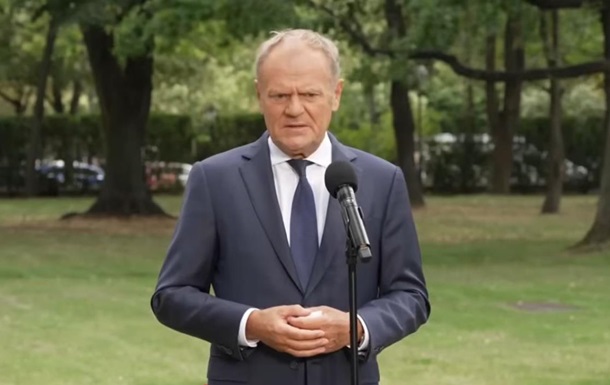
Polish Prime Minister Donald Tusk has urged his delegation to exercise caution regarding future financial commitments to Ukraine ahead of upcoming NATO summits. During a recent press conference, Tusk underscored the necessity of balancing international aid with Poland’s own significant defense expenditures.
Tusk clarified that while Warsaw remains committed to supporting Ukraine in its ongoing war against Russian aggression, the current geopolitical reality forces Poland to prioritize its own security. As a frontline state, Poland bears a heavy burden in securing the European Union’s eastern border. «Poland has very significant obligations along the entire eastern border of the EU, and everyone must take this into account,» Tusk stated, signaling a more pragmatic approach to future financial pledges.
The discussion also touched upon the complex state of diplomatic relations between Kyiv and Warsaw, particularly regarding historical disagreements. Tusk noted that there are signals from the Ukrainian side indicating an understanding of the mutual harm caused by escalating tensions over historical politics. He emphasized that Warsaw expects «clear signals» from Kyiv to lower these tensions, especially following recent naming decisions involving UPA figures within the Ukrainian Armed Forces.
Despite these tensions, the channels of communication remain active. Foreign ministerial meetings between the two countries are ongoing, aimed at resolving these friction points. Analysts suggest that the relationship between Kyiv and Warsaw remains vital for regional stability, and both parties recognize that allowing political or historical disputes to derail strategic cooperation is detrimental to their collective security against Russian expansionism.
In conclusion, Poland’s stance reflects a shift toward a more calculated foreign policy. While the support for Ukraine is not in doubt, it will increasingly be framed within the context of Poland’s own national security capacity and the resolution of long-standing bilateral disputes. The upcoming diplomatic engagements will likely determine the pace and scope of this support, as both nations navigate the balance between immediate wartime needs and the complexities of historical legacy.