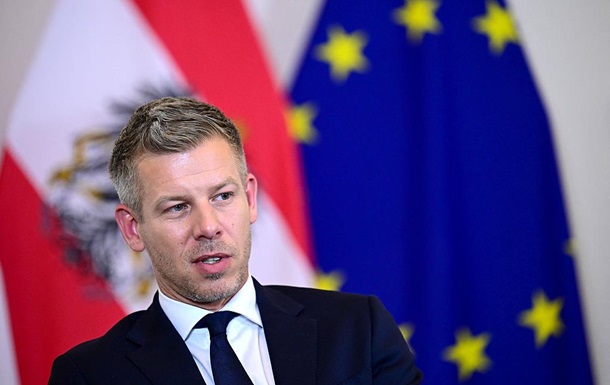
A peace agreement concerning the war in Ukraine must include tangible and effective security guarantees for the nation. This was stated by Hungarian Prime Minister Peter Magyar in an interview with ZIB. Magyar emphasized that the failure of the Budapest Memorandum, which was intended to secure Ukraine’s territorial integrity, serves as a critical warning. According to him, the international community failed to uphold its commitments, and history must not repeat itself.
Magyar asserted that security guarantees are “critically important” for Ukraine, and any peace deal concluded without such robust mechanisms would be futile. While expressing Hungary’s readiness to assist in the process of achieving a ceasefire, the Prime Minister clarified that the content and timeline of a potential agreement depend solely on the signatories themselves, rather than on Budapest. He further noted that Hungary has no intention of deploying its own troops to Ukraine as peacekeepers.
The Hungarian leader reiterated that Ukraine has the inherent right to defend itself against Russian aggression using all available means. He advocated for a swift pause in hostilities, yet underscored that a lasting peace can only be achieved if the security architecture provided to Ukraine is ironclad. This perspective highlights the ongoing complexity of diplomatic efforts, as Ukraine continues to navigate immense challenges on the battlefield.
As the international community debates the parameters of a potential settlement, the reality on the ground remains brutal. The ongoing defense of Ukrainian sovereignty depends heavily on the resilience of the Armed Forces, who continue to hold the line against overwhelming pressure. As reported in our analysis of the conflict, the situation remains dire, with the 253 combat engagements per day on the Pokrovsk direction serving as a stark reminder of the intensity of the war. For any peace agreement to be more than a piece of paper, it must recognize the sacrifices made on the frontline and ensure that Russia cannot simply regroup for future aggression. Hungary, like other European nations, faces the challenge of balancing these diplomatic aspirations with the urgent need for a concrete and sustainable solution that respects Ukraine’s sovereignty and ensures long-term stability in the region.