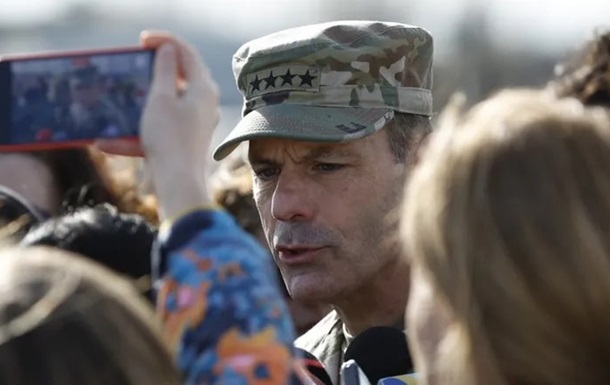
Pentagon Chief Pete Hegseth has initiated the early retirement of General Christopher Donahue, a pivotal commander of U.S. Army forces in Europe and Africa, according to the [Financial Times](https://www.ft.com/content/b2936511-6549-4a93-9c9f-b6dc3cd165a0). This move marks another significant shift in the top echelons of the U.S. military, raising questions about the continuity of American strategy regarding global security and support for Ukraine.
General Donahue, who gained international recognition as the last American soldier to depart Afghanistan in 2021, has been instrumental in coordinating U.S. military assistance to Kyiv. His vast experience in Iraq and Syria made him a cornerstone of the U.S. European Command. However, his departure, alongside a string of previous high-profile dismissals—including Joint Chiefs Chairman General Charles Brown and Admiral Lisa Franchetti—has created an atmosphere of instability among the top brass.
Analysts suggest this trend is deeply tied to the administration’s drive to downsize the U.S. military presence in Europe and pressure allies to shoulder a greater share of the defense burden. While the official reasons for Donahue’s removal remain opaque, it aligns with a broader push by President Donald Trump to restructure the U.S. role within the NATO framework, specifically under the ‘NATO 3.0’ concept.
Critics of these personnel decisions argue that the turnover is damaging morale and weakening institutional memory at a critical juncture. As the Pentagon shifts toward optimizing its contributions to the Alliance, the departure of seasoned leaders like Donahue raises alarms about the potential for strategic drift. With the Russian war against Ukraine showing no signs of de-escalation, the predictability of U.S. military command remains a vital variable. For now, the Department of Defense continues to navigate a turbulent period, where political mandates are increasingly overriding long-standing military protocols, leaving observers to wonder what this institutional volatility means for the future of transatlantic security.