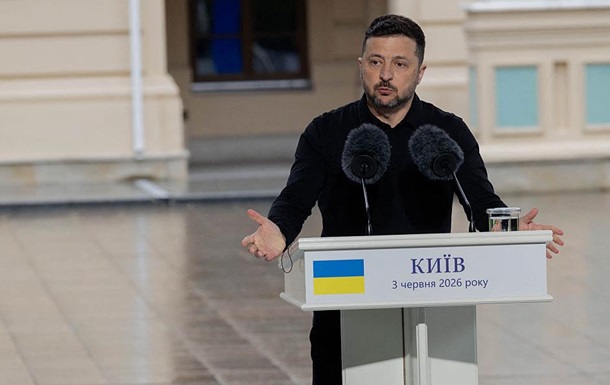
The ongoing war in Ukraine has evolved into a global test of industrial capacity and logistics. One of the most critical challenges facing Ukraine’s air defense network is the acute shortage of high-tech interceptor missiles designed to counter ballistic threats. As Ukrainian President Volodymyr Zelenskyy revealed during a joint press conference with NATO Secretary General Mark Rutte in Kyiv, Ukraine received significantly fewer PAC-3 missiles than originally promised by its Western partners due to the sudden escalation of the conflict in the Middle East, as reported by Ukrinform. This dynamic highlights how rapidly shifting geopolitical priorities can immediately impact regional security on the European continent.
According to Zelenskyy, the reduction in PAC-3 deliveries is not a financial issue, but rather a direct consequence of physical resource reallocation. As hostilities intensified in the Middle East, the United States and other key allies had to divert a portion of their limited anti-ballistic stockpiles to secure their own military assets and regional partners. The situation has exposed the bottlenecks of Western defense production, which is currently struggling to supply multiple high-intensity conflicts simultaneously.
To bridge this defensive gap, Kyiv has turned to asymmetrical strategies. Since domestic production cannot immediately replace highly complex interceptors like the PAC-3, Ukraine is pioneering innovative initiatives such as “Drone deals.” Under these agreements, Ukraine exchanges its battle-tested drone defense technologies and electronic warfare expertise for much-needed air defense missiles from partner nations.
In contrast, NATO Secretary General Mark Rutte offered a more reassuring outlook during his press conference. He emphasized that the delivery of US-made interceptor missiles continues on a daily and weekly basis, backed by secure funding from various allies. Rutte acknowledged the long-term risks of high-intensity consumption but stated that NATO is actively working to scale up production across Europe and the United States to stabilize supply chains. Nevertheless, the strategic reality remains clear: Western defense industries must transition to a wartime footing more rapidly to prevent critical gaps in Ukraine’s shield against Russian ballistic terror.