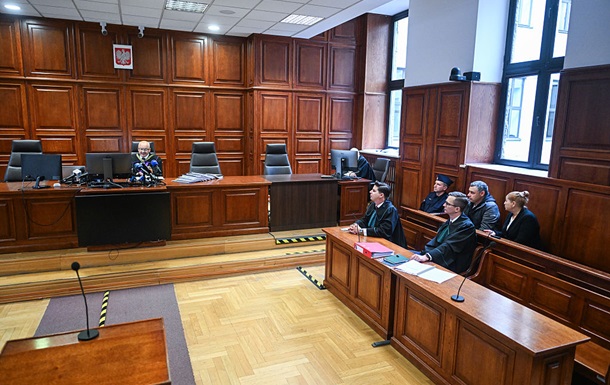
The German Federal Prosecutor’s Office has officially brought charges against a Ukrainian citizen, identified as Serhiy K., in connection with the 2022 sabotage of the Nord Stream and Nord Stream-2 gas pipelines, as reported by ARD. The charges include sabotage of critical energy infrastructure, which is legally classified as a war crime, along with the illegal use of explosives.
According to the indictment, Serhiy K. allegedly led a team of saboteurs who used the sailing yacht *Andromeda* to transport explosives to the blast sites. German forensic investigators reported finding traces of HMX and RDX explosives on board the vessel. The suspect was apprehended in Italy in the summer of 2025 and subsequently extradited to a detention center in Hamburg. Serhiy K. denies all allegations, maintaining that he was serving in the Ukrainian Armed Forces at the time of the incident.
German media indicate that prosecutors consider the evidence to be substantial, citing intercepted communications and digital forensic data. Federal investigators are currently exploring whether the sabotage was part of a larger, state-sponsored intelligence operation, though no final conclusions have been publicly released. This case has ignited significant geopolitical debate, placing the incident at the center of investigations into European energy security.
The broader context of the war remains critical. As Russia faces increasing internal pressure—ranging from economic downturns to logistical failures—the narrative of the Nord Stream incident continues to be manipulated by various actors. However, international support for Ukraine remains steadfast, as demonstrated by the recent resilience of European security agreements despite efforts to undermine them. With seven suspects involved in the case, including one reported deceased in combat, the legal proceedings in Germany are expected to be lengthy and highly complex. The outcome of this trial will be a landmark event in international law, determining the responsibility for one of the most significant infrastructure attacks in modern European history.