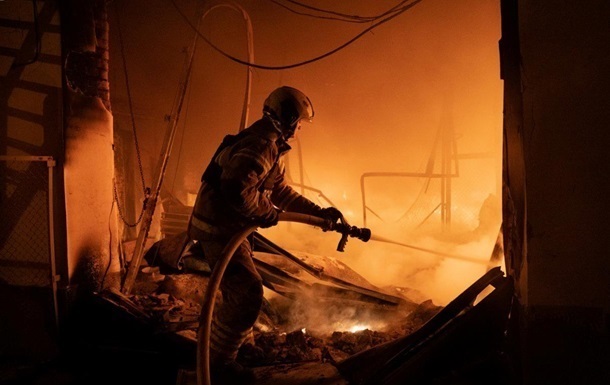
On the night of Tuesday, May 19, Kharkiv faced another aggressive drone assault by Russian forces. According to an official report by Mayor Ihor Terekhov, enemy UAVs struck two separate districts, leading to fires at the impact sites. This latest escalation reflects the ongoing strategy of the aggressor to terrorize civilian populations and disrupt urban infrastructure.
The first explosions were reported in the Kholodnohirskyi district shortly before midnight. Emergency services were immediately deployed to manage the damage. Shortly after midnight, a second strike occurred in the Novobavarskyi district, where a Russian drone hit a civilian infrastructure facility, triggering a fire. Kharkiv Regional Military Administration Head Oleh Syniehubov confirmed via social media that, fortunately, there were no casualties, which is the primary priority in the aftermath of such attacks.
Kharkiv remains a high-priority target for Russian forces, who have consistently used a combination of kamikaze drones and ballistic missiles. These recurring strikes place immense pressure on the city’s critical infrastructure and civil defense systems. The persistent nature of these attacks highlights the ongoing volatility in the region. Since the start of the full-scale invasion, the city has faced numerous waves of terror designed to exhaust local authorities and demoralize the residents.
The events of May 19 follow a pattern of intensified night raids observed earlier that week. On May 17, Russian forces carried out a large-scale drone strike across four districts of Kharkiv. These systematic attacks are clear violations of international humanitarian law and are being documented for future legal accountability. Despite the constant threat, Kharkiv continues to function under extreme conditions, with emergency services and local authorities working around the clock to mitigate the damage and support the population. The resilience of the city remains a focal point of current defensive operations in the eastern part of Ukraine.