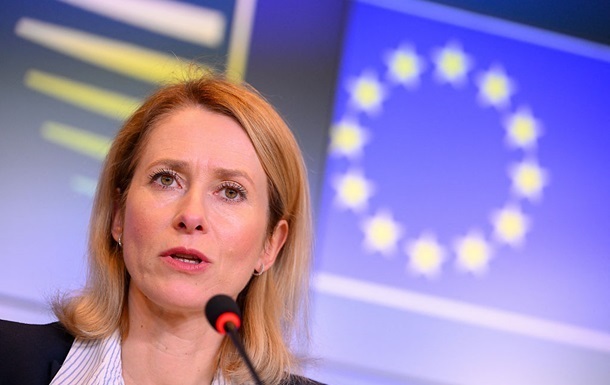
The European Union cannot act as a neutral mediator in future peace negotiations between Ukraine and the Russian Federation, as its primary mission is to protect European security and defend Ukrainian interests. This statement was made by the EU High Representative for Foreign Affairs and Security Policy, Kaja Kallas, during a press conference following an informal meeting of EU foreign ministers (Gymnich) in Limassol, Cyprus, as reported by Interfax-Ukraine. Kallas emphasized that the bloc has a clear geopolitical stance, rendering any attempts to portray the EU as an unbiased arbiter obsolete.
According to Kallas, Kyiv’s request for EU involvement in future negotiations is aimed at having a strong ally to balance the scales against Russian pressure. She pointed out that, so far, all concessions have come from the Ukrainian side, while Russia has shown no reciprocal willingness to compromise. The EU’s role, therefore, is to empower Ukraine during these potential talks rather than force further unilateral concessions. “We cannot be mediators, we cannot be neutral, because we have clearly stood on the side of Ukraine,” Kallas stated, reaffirming that Ukraine’s security is directly linked to the security of the entire European continent.
The High Representative also stressed that EU efforts must complement, not replace, those of the United States. While Washington might lead certain aspects of the diplomatic process, Brussels intends to address critical issues that the US may not cover, such as long-term financial assistance, regional security guarantees, and Ukraine’s eventual integration into European structures. Kallas noted that while some nations might engage in “shuttle diplomacy,” the ultimate resolution of the conflict lies in direct talks between Ukraine and Russia, as only they can decide on the core terms of a durable peace agreement.
Furthermore, Kallas warned of the strategic “traps” set by the Kremlin, highlighting that Moscow often uses the rhetoric of ceasefires to buy time for military regrouping. In this light, the EU is not currently discussing the appointment of a special envoy for negotiations, choosing instead to focus on consistent, structured support for Kyiv. By explicitly rejecting the role of an impartial mediator, the EU sends a powerful message to Moscow: Europe will remain an active participant on Ukraine’s side, ensuring that any future peace process is based on international law and the restoration of Ukraine’s territorial integrity.