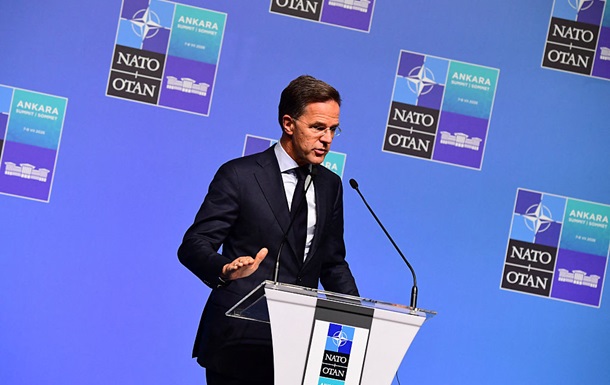
NATO Secretary General Mark Rutte has affirmed that the United States remains steadfast in its commitment to the Prioritized Ukraine Requirements List (PURL) program, ensuring the continuous delivery of critical military equipment to Ukraine. According to Interfax-Ukraine, Rutte made these remarks during a press conference held ahead of the NATO summit in Ankara, scheduled for July 7-8.
During the briefing, the NATO chief clarified that despite the ongoing operational intensity of the war, the U.S. is successfully fulfilling its obligations under the PURL framework. “Deliveries, specifically interceptors, are being sent to Ukraine and are being utilized by them even at this very moment,” Rutte emphasized. The program, which allows for expedited procurement directly from U.S. Army stockpiles, remains a cornerstone of Ukraine’s air defense capabilities.
However, the Secretary General openly acknowledged the strategic constraints facing the Alliance. The current inventory of interceptors within NATO nations is limited, which necessitates a significant expansion of production capacity. “This is one of the reasons why Ukraine is working on this. It is not something that will yield immediate results, but we are working with all allies and partners to produce more interceptors,” he added.
Launched in 2025, the PURL initiative acts as a vital bridge between Ukrainian combat requirements and the industrial capacities of the West. With 24 partner nations currently contributing to the special NATO fund, the program has streamlined the supply chain for high-demand weaponry, such as missiles for Patriot and HIMARS systems. By consolidating financial contributions, the program ensures that equipment reaches the front line with minimal bureaucratic delay.
As the conflict enters a critical phase, the shift toward sustainable, long-term production has become a primary focus for NATO leadership. While the Russian military continues its efforts to exhaust Ukraine’s air defense assets, the steady influx of support through PURL serves as a vital counterbalance. The upcoming summit in Ankara is expected to further solidify these efforts, focusing on long-term industrial collaboration to maintain the integrity of Ukraine’s defense shield against intensifying aerial threats.