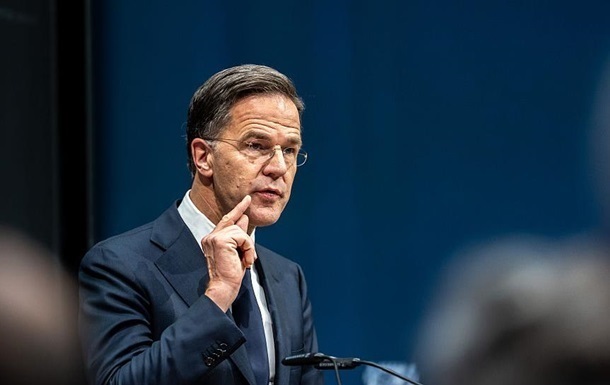
Five NATO member states have officially rejected a proposal by Secretary-General Mark Rutte to mandate a 0.25% GDP contribution for military aid to Ukraine, as reported by The Telegraph. This development threatens to undermine the Alliance’s attempt to establish a predictable, long-term funding mechanism for the Ukrainian Armed Forces ahead of the upcoming summit in Ankara.
Rutte’s plan was designed to institutionalize support by ensuring every member state committed a specific portion of its economic output to Kiev’s defense. However, the proposal faced significant opposition from major powers, including the United Kingdom, France, Spain, Italy, and Canada. These nations blocked the move, arguing that such a rigid commitment does not align with their current fiscal capabilities.
The rejection highlights a widening divide between NATO members. While some larger economies remain hesitant to set a fixed percentage, nations such as Poland, the Netherlands, and those in Northern and Baltic Europe have already met or exceeded the 0.25% threshold. Data from the Kiel Institute confirms that these countries are shouldering a larger share of the burden relative to their size compared to some of the bloc’s largest economies.
Political analysts suggest that the failure to reach a consensus reflects broader internal friction regarding the burden-sharing within NATO. Critics of the bloc’s current trajectory argue that without a binding, unified financial framework, support for Ukraine risks becoming fragmented and increasingly tied to the shifting domestic political landscapes of individual member states. The reliance on unanimous consent for such critical initiatives continues to be a strategic bottleneck.
As the conflict enters a critical phase, the inability of major allies to agree on a standardized contribution level sends a problematic signal to Moscow. While the U.K. and others maintain that they are committed to supporting Kiev, the refusal to codify these contributions as a percentage of GDP suggests that the “solidarity crisis” remains a significant obstacle to maintaining the momentum required for a decisive victory. Unless a new path to sustainable financing is found, the alliance risks further straining its unity while the frontline in Ukraine continues to demand massive, consistent, and urgent military support.