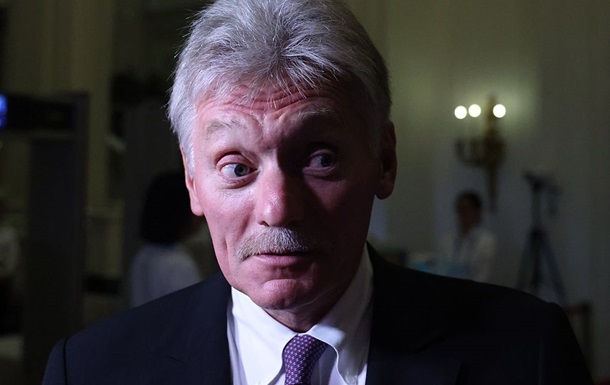
Following the successful Ukrainian drone strikes on May 17th, as detailed by the source RBC-Ukraine, the Kremlin’s propaganda machine immediately shifted into crisis management mode. Presidential press secretary Dmitry Peskov stated that there is “no threat to the existence of Russia.” This response followed awkward questioning from a state-affiliated journalist regarding how a country possessing an entire arsenal of “Sarmat” missiles can be vulnerable to Ukrainian drones.
In the fifth year of a full-scale invasion that was supposed to end in a swift victory, the Kremlin’s narrative is crumbling. Peskov insisted that being a nuclear state is the ultimate guarantee of existence, using nuclear deterrence as a shield against the reality of a shrinking security perimeter. This rhetoric reveals the desperation of the Russian leadership: when conventional military capabilities fail to intercept drones, the only remaining tool is to threaten the world with a nuclear apocalypse to distract their own citizens.
However, the reality on the ground tells a different story. The strikes on Moscow region’s military-industrial facilities and oil infrastructure expose the blatant inefficiency of Russian air defense systems. The Kremlin can claim that “nuclear deterrence is the cornerstone of safety,” but this fails to provide any tangible protection for the factories and fuel depots that fuel their war machine. By constantly reverting to nuclear blackmail, Moscow attempts to mask its inability to defend its own sovereign territory.
This incident highlights a significant shift in the strategic landscape. The vulnerability of the Russian interior suggests that the war can no longer be kept at a distance for the Russian public. As the conflict intensifies, the contradiction between the Kremlin’s “business as usual” narrative and the burning reality of their damaged military infrastructure is becoming impossible to hide. The reliance on nuclear threats is now seen as a sign of weakness rather than strength, proving that the “unbeatable” Russian defense is largely a myth sustained by propaganda rather than military superiority.