Moscow’s Empty Threats: What Lies Behind the Kremlin’s Psychological Terror Against Kyiv
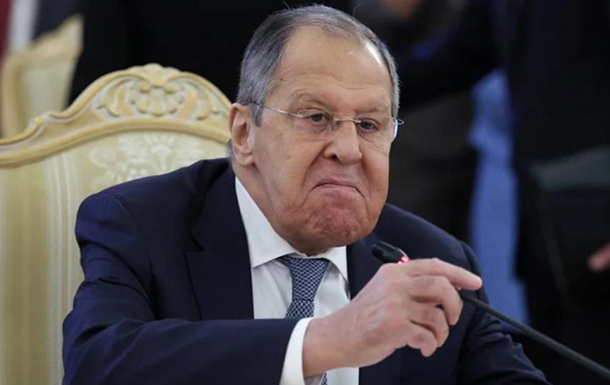
The recent statement by Russian Foreign Minister Sergey Lavrov regarding alleged preparations for “systematic and consistent strikes” on Kyiv has emerged as another high-profile informational campaign from the Kremlin. As reported by Ukrinform, during a phone call with US Secretary of State Marco Rubio, the Russian side warned Washington to evacuate diplomatic missions and American citizens. However, the lack of actual evacuation procedures indicates that Western intelligence agencies view these threats with skepticism, recognizing them as an attempt at psychological coercion rather than an imminent military shift.
In diplomatic protocol, evacuation decisions are only implemented when intelligence shows an immediate and catastrophic risk. The fact that US, European, and Asian diplomats remain in Kyiv demonstrates that international partners view these statements as standard Russian blackmail. Moscow is attempting to maintain an atmosphere of escalation to pressure Ukraine’s allies without taking actions that would trigger a severe and unified global response. This mirrors other asymmetric tactics aimed at destabilizing Ukrainian society and undermining Western resolve.
According to Ukrainian political analyst Oleksandr Bryhynets, this aggressive rhetoric masks a profound internal crisis within the Russian military apparatus. He emphasizes that behind the scenes, Russian logistics are in disarray, with major transit routes like the Uglehorsk-Debaltseve highway littered with destroyed equipment. Furthermore, Russian air defense has repeatedly failed to counter Ukrainian drone strikes on critical refineries. Confronted with these systemic vulnerabilities, the Kremlin relies heavily on information operations to project an illusion of strength and dominance.
The propaganda surrounding the “Oreshnik” missile system further highlights this strategy. Touted by Moscow as a revolutionary weapon of mass destruction, its actual deployment has yielded negligible results, with remnants striking minor civilian facilities and failing to damage strategic assets. Online campaigns designed to generate panic have largely failed, as independent analysts quickly exposed the discrepancy between the Kremlin’s claims and the reality on the ground.
As noted by prominent journalist Vitaly Portnikov, these actions reflect a growing administrative and clinical inadequacy within the Russian leadership. Spending billions on spectacular but strategically ineffective strikes does not alter Ukraine’s military potential or break the spirit of its people. Ultimately, the threats articulated by Lavrov are designed to secure leverage before potential diplomatic negotiations with the incoming US administration. While the risk of combined missile attacks remains real, the international community’s calm response proves that the Kremlin’s blackmail is no longer effective.