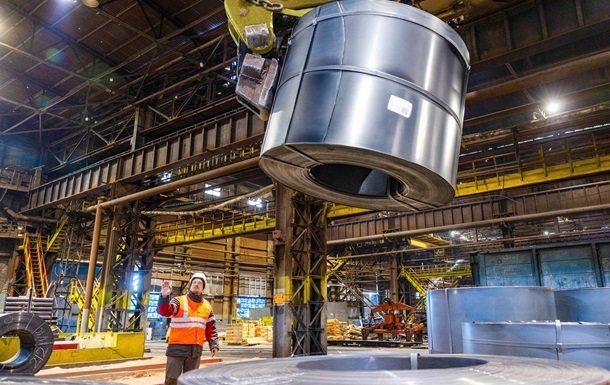
In April 2026, Ukraine’s steel production saw a sharp decline of 25.3% year-on-year, dropping to 517,000 tons, according to data from the World Steel Association. This contraction reflects the immense pressure on the nation’s industrial heartland, which has been severely impacted by ongoing geopolitical instability and infrastructure disruptions.
During the first four months of 2026, Ukrainian steelmakers produced 2.246 million tons, a 7.4% decrease compared to the same period in 2025. While the global steel market experienced a slight 2% downturn during this period, Ukraine’s specific hurdles—ranging from energy shortages to logistics bottlenecks—have exacerbated the situation. Ranking 24th among 69 global producers, Ukraine is clearly struggling to maintain its former output capacity.
Despite the downward trend, the metallurgical sector remains a pillar of the Ukrainian economy. Last year, it accounted for 15.2% of total export revenue, highlighting the industry’s role as a vital source of foreign currency. Major players such as Metinvest and ArcelorMittal Kryvyi Rih continue to pay significant tax revenues, contributing nearly $1 billion annually, which is crucial for funding state expenditures. However, the reliance on traditional export routes has been significantly challenged.
The industry is now facing a strategic crossroads. While countries like India and the USA have ramped up production by 3.9% and 9.4% respectively, Ukraine must focus on resilience and deep reform to remain competitive. The current situation demands not just economic endurance but also innovative solutions for energy efficiency and supply chain diversification. As the country navigates these turbulent times, the metallurgical sector remains a symbol of industrial survival, yet its future growth depends on the stability of the energy grid and the continued support of international partners. Without significant capital investment and security guarantees, the sector may face further contraction throughout the remainder of 2026.