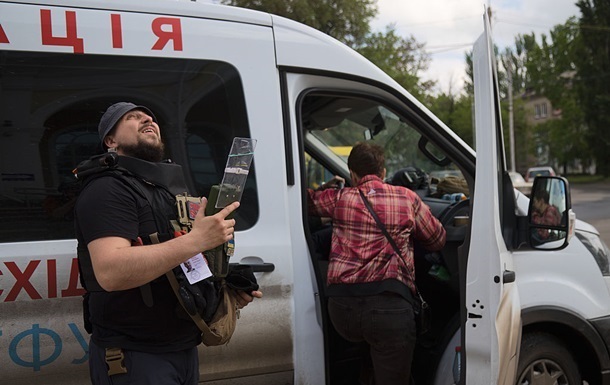
Authorities in the Dnipropetrovsk region have announced the commencement of a mandatory evacuation for all residents in two settlements: Vasylkivka in the Synelnykove district and Vyshetarasivka in the Nikopol district. As reported by the head of the regional administration via their official Telegram channel (https://t.me/dnipropetrovskaODA/30717), the decision follows intensified shelling and persistent threats to civilian life. While children from these areas were relocated previously, adults are now required to evacuate as well, with over 6,500 people still residing in these high-risk zones.
The regional government has organized a structured support system for those forced to flee their homes. Upon evacuation, residents are directed to one of five designated transit centers across the region. At these hubs, displaced persons receive comprehensive assistance, including immediate financial, legal, psychological, and medical aid, alongside food and hygiene supplies. Local officials are actively assisting with long-term resettlement, offering housing options both within safer parts of the Dnipropetrovsk region and across other parts of the country.
The situation remains critical as enemy forces continue to target residential infrastructure. Constant shelling has necessitated proactive measures to ensure the survival of the civilian population. This evacuation underscores the broader humanitarian challenges currently faced by regions bordering the frontline, where life has become increasingly perilous due to Russian aggression.
The decision to evacuate is a crucial step in preventing further civilian casualties. While the Ukrainian Armed Forces continue to hold the line, the regional authorities remain focused on the safety and humanitarian needs of the local population. Displaced residents will be provided with ongoing support as they navigate the complexities of relocation, ensuring they have the necessary resources to settle in safer areas while the security situation remains unstable. This operation reflects the persistent, long-term impact of the war on civilian life and the state’s commitment to providing a safety net for those caught in the conflict zone.