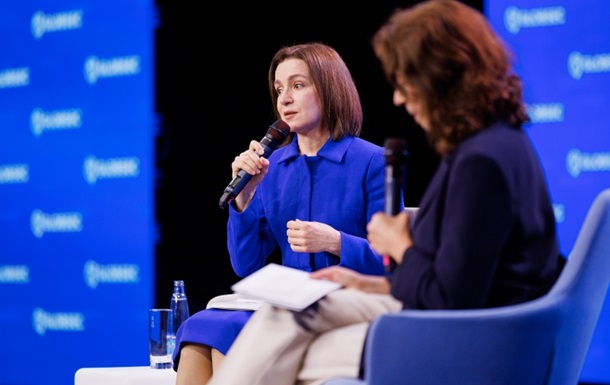
International partners must significantly increase economic pressure on Russia, as Moscow demonstrates no willingness to engage in genuine peace negotiations. This statement was made by Moldovan President Maia Sandu during her address at the GLOBSEC forum in Prague, as reported by NewsMaker.
“We need to ramp up economic pressure on Russia. I do not believe that the Kremlin is currently interested in ending the war, nor do I think that the Russian dictator, Vladimir Putin, is interested in serious peace talks,” Sandu emphasized. She argued that sustained, comprehensive support for Ukraine remains the only viable path to restoring stability and peace throughout the European region.
Beyond the battlefield, Sandu drew significant attention to the multifaceted nature of Russia’s hybrid aggression against European nations. She urged allies to remain vigilant and prepared to counter a variety of non-kinetic threats. Among the primary tools of Russian influence, she cited cyberattacks, digital sabotage, state-sponsored disinformation campaigns, and the illegal financing of political parties aimed at destabilizing democratic processes in sovereign states.
Sandu’s warnings reflect a broader consensus among regional leaders who view Ukraine’s survival as a cornerstone of European security. The Moldovan president highlighted that Russia’s modus operandi involves constant attempts to subvert domestic politics and weaken the resolve of democratic societies. By fueling polarization and spreading manufactured narratives, the Kremlin seeks to erode public support for continued aid to Kyiv.
The international community is currently at a crossroads. As the war of attrition continues, the reliance on economic sanctions must be matched by a proactive approach to dismantling Russian influence networks. President Sandu’s remarks serve as a stark reminder that peace cannot be achieved through concessions to an aggressor that fundamentally rejects the rules-based international order. For European leaders, the message is clear: the cost of inaction is far higher than the price of implementing more stringent economic measures against the Kremlin’s war chest.