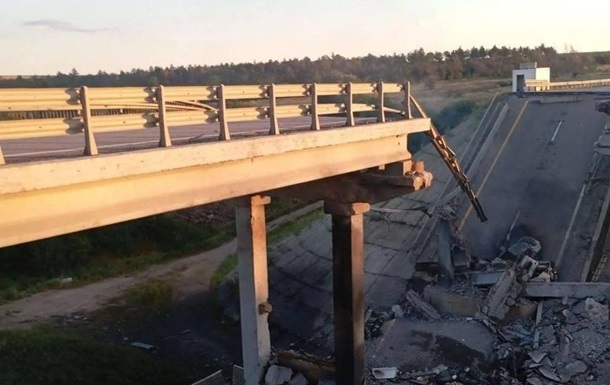
On the night of July 1, a key bridge connecting the occupied cities of Donetsk and Mariupol was destroyed. Petro Andriushchenko, an advisor to the Mariupol Mayor, confirmed the incident via his Telegram channel: https://t.me/andriyshTime/61863. The bridge, located on the H-20/R-280 highway near the village of Kremnivka, suffered critical damage, rendering it completely impassable for military and civilian transport.
This infrastructure node was essential for the Russian occupation forces to sustain their front-line positions. With the bridge rendered unusable, the occupiers have been forced to reroute traffic through the village of Kremnivka itself. This detour adds at least 15 to 20 kilometers to their transit route, significantly complicating logistics and slowing down the replenishment of ammunition and personnel to the front.
The destruction of this bridge is part of a broader tactical effort by the Armed Forces of Ukraine to disrupt enemy supply chains in the occupied territories. By targeting critical junctions, bridges, and rail lines, Ukrainian forces are successfully imposing logistical strain on the Russian military machine, forcing them to expend scarce resources on emergency repairs and suboptimal alternative routes.
This incident follows a series of strikes by the Ukrainian military aimed at isolating key enemy logistics zones. Military analysts note that the loss of such a crossing creates a ripple effect, increasing the vulnerability of Russian forces as they struggle to maintain operational tempo in the region. Every delay caused by such strikes serves to deplete enemy reserves and provides the Armed Forces of Ukraine with an advantage in planning future defensive and counter-offensive maneuvers.
The situation remains critical for the Russian occupying administration, as they are effectively losing their ability to move equipment swiftly across the region. As the war of attrition continues, the ability of Ukrainian forces to strike deep into enemy territory remains a decisive factor in limiting the adversary’s mobility and capacity to conduct large-scale operations on the front lines.