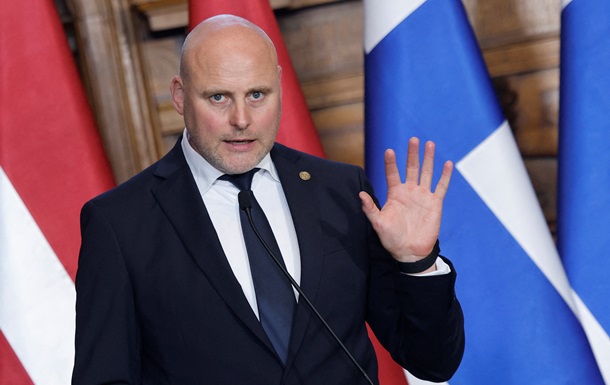
Latvia has significantly increased security measures around its major hydroelectric power plant near Riga and the Inčukalns underground gas storage facility, as reported by Reuters. Prime Minister Andris Kulbergs confirmed these actions, citing urgent warnings from Western intelligence regarding planned Russian provocations against regional infrastructure.
The threat is viewed as a direct extension of Moscow’s hybrid warfare tactics. As Russia faces strategic setbacks in its full-scale invasion of Ukraine, the Kremlin is increasingly turning toward subversion and sabotage to undermine unity among NATO members. Kulbergs noted that the potential for hybrid threats is currently at its highest point, driven by the Russian leadership’s desperate need for perceived “quick victories” to distract from failures on the front line.
During discussions with NATO Secretary-General Mark Rutte, the Latvian Prime Minister emphasized the critical need for an enhanced air defense shield and a greater permanent allied military presence on the ground. A key component of Latvia’s evolving defense strategy is the rapid implementation of anti-drone systems, developed in collaboration with Ukraine. This cooperation allows Latvia to utilize the latest battlefield lessons against the specific threats posed by Russian aerial technology.
While Latvian security services, such as the Constitution Protection Bureau, have assessed the likelihood of a direct, large-scale conventional military invasion as extremely low, the risk of asymmetric, hybrid attacks remains persistent. These operations are designed to test the resilience of Baltic infrastructure and provoke societal instability. By fortifying its energy grid and strengthening military cooperation, Latvia is sending a clear signal: the era of unchecked Russian hybrid influence in the Baltic region is coming to an end. The collective defense mechanism of NATO is shifting to prioritize not just conventional borders, but the vital lifelines of energy and critical utilities that sustain modern European society.