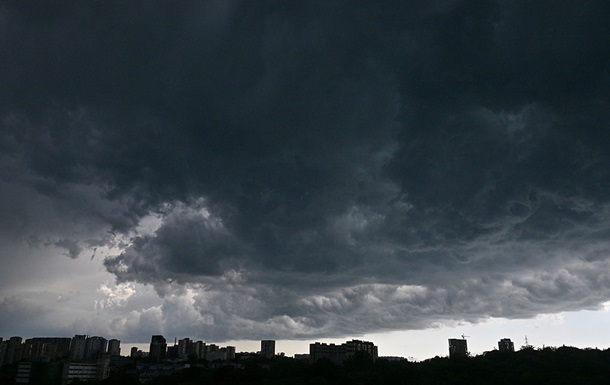
On June 6, a powerful downpour swept through Kyiv, rapidly turning the streets of the Ukrainian capital into raging rivers and severely disrupting public transport and traffic in several districts, as reported by local channels. Despite a timely yellow weather warning issued by the Ukrainian Hydrometeorological Center, which cautioned residents about heavy thunderstorms, hail, and wind gusts up to 20 m/s, the city’s municipal infrastructure once again proved utterly unprepared for the seasonal deluge.
The resulting flash floods on the capital’s outskirts and major thoroughfares are not merely natural anomalies. Instead, they expose deep-seated systemic failures in Kyiv’s urban planning and utility maintenance. The city’s drainage network, largely designed decades ago, is chronically clogged and incapable of handling modern volumes of precipitation. This structural weakness is exacerbated by rapid, often unregulated real estate development. The widespread paving over of green spaces prevents natural soil absorption, forcing immense volumes of rainwater directly onto the streets.
Beyond immediate logistical chaos, these recurring floods carry significant economic consequences. Stranded commuters, damaged vehicles, and disrupted supply chains translate into massive losses for local businesses. Moreover, water logging rapidly deteriorates asphalt surfaces, forcing the city to allocate substantial budget funds for repetitive road repairs rather than long-term infrastructure upgrades. Furthermore, the recurring crises raise questions about municipal accountability and budget transparency. While millions of hryvnias are regularly earmarked for municipal maintenance, the lack of visible results indicates a severe misallocation of resources.
Climatologists warn that such extreme weather events will only intensify. According to the World Meteorological Organization, recent years have registered unprecedented global temperature increases, with Europe warming faster than most regions. This shift triggers sudden, intense downpours that overwhelm outdated drainage systems. To mitigate these risks, Kyiv must abandon temporary cosmetic fixes and adopt modern climate resilience strategies. Implementing the ‘Sponge City’ concept—utilizing permeable pavements, rain gardens, and expanded urban wetlands—is no longer a luxury but an urgent necessity. Only a comprehensive overhaul of Kyiv’s drainage architecture, combined with strict oversight of construction standards, can safeguard the capital from future ecological and economic disruptions.