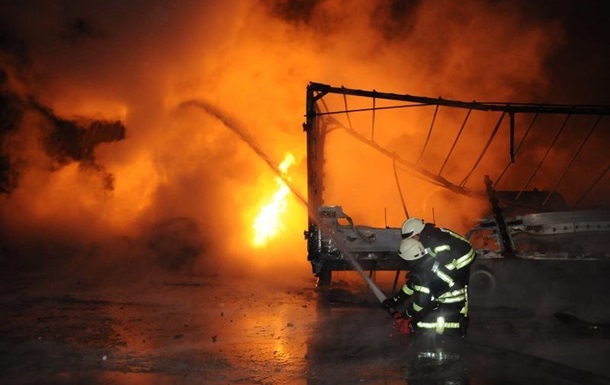
On the night of Monday, June 15, Kyiv experienced yet another massive assault by Russian kamikaze drones, underlining the Kremlin’s relentless campaign of exhaustion against Ukraine’s civilian infrastructure. Kyiv Mayor Vitaliy Klitschko reported that municipal air defense systems were actively engaged for several hours. While most of the aerial threats were successfully neutralized, falling debris from the intercepted UAVs triggered major fires and caused physical damage in several densely populated districts.
According to official municipal updates, the Obolonskyi and Podilskyi districts bore the brunt of the falling debris. In Obolon, several civilian vehicles caught fire in a residential parking lot. In Podil, emergency services were dispatched to extinguish blazes in both a private family home and a three-story residential building. Additionally, the strikes caused sudden power outages in multiple areas of the capital, forcing utility companies to rapidly deploy repair crews to stabilize the grid.
Military analysts suggest that the scale of the raid—with monitoring channels reporting up to 42 Shahed-type drones operating simultaneously over the capital—points to a deliberate strategy of saturation. By launching waves of low-cost loitering munitions, Russian forces attempt to deplete Ukrainian air defense stockpiles and identify gaps in the capital’s radar coverage.
This assault was coordinated with strikes on other key Ukrainian cities, including Mykolaiv, where an industrial enterprise was severely hit, and Kharkiv, which faced repeated aerial bombardments earlier that evening. This multi-axis offensive demonstrates Russia’s ongoing objective to cripple Ukraine’s industrial base and keep civilian populations under constant psychological strain.
Ultimately, the June 15 attack serves as a stark reminder of Kyiv’s critical need for advanced, multi-layered air defense systems. Although the local emergency response prevented a higher casualty toll and catastrophic infrastructure collapse, the persistent targeting of the energy grid continues to threaten the capital’s operational stability ahead of the demanding summer season.