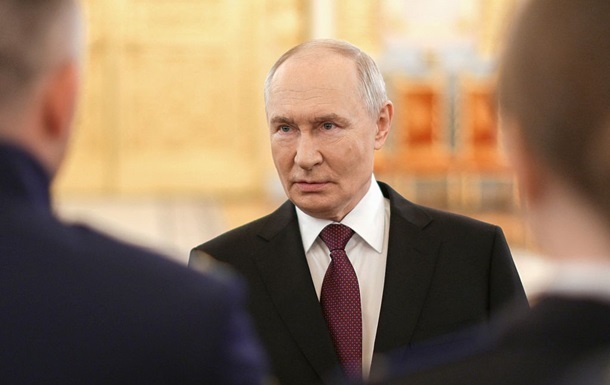
The Russian ruling elite is grappling with an existential crisis as the war in Ukraine begins to severely erode internal stability. According to Meduza, influential security figures (siloviki), including leadership from the FSB and Rosgvardiya, are actively lobbying Vladimir Putin to cancel or postpone the upcoming State Duma elections. The push for such an extraordinary measure stems from a sharp decline in the popularity of the ‘United Russia’ party and mounting economic pressures.
The rationale behind this proposal is clear: the Kremlin fears that conducting an election under current conditions—characterized by budget shortfalls, industrial layoffs, and the psychological impact of frequent drone strikes—could trigger unpredictable social unrest. Insiders suggest that the security apparatus views electoral processes as a liability that highlights the regime’s failures rather than its strength. While previous efforts to control the narrative involved internet censorship and political purges, the current economic reality makes it increasingly difficult to mask the systemic decay.
Internally, the Kremlin is divided. The political bloc led by Sergey Kirienko continues to argue for maintaining the electoral facade, viewing it as essential for regime legitimacy. Conversely, the security-focused officials argue that the state is currently in a ‘war mode’ where political formalities are expendable. The possibility of declaring a state of emergency or martial law in certain regions has been identified as a potential legal mechanism to justify a postponement.
Despite these discussions, Putin himself has reportedly remained hesitant, viewing the cancellation of elections as an admission of weakness. He is wary of confirming that the ‘special military operation’ has disrupted the core functioning of the Russian state. Nevertheless, the fact that such discussions are taking place at the highest levels of power highlights a growing sense of desperation.
The threat of escalation, combined with the government’s struggle to maintain infrastructure and economic growth, suggests that the stability of the Putin regime is under unprecedented strain. As the military and logistics sector in Russia faces increasing pressure, the decision regarding the Duma elections will serve as a bellwether for the regime’s future path—either deeper into authoritarian isolation or toward a fragile attempt to maintain the status quo at any cost.