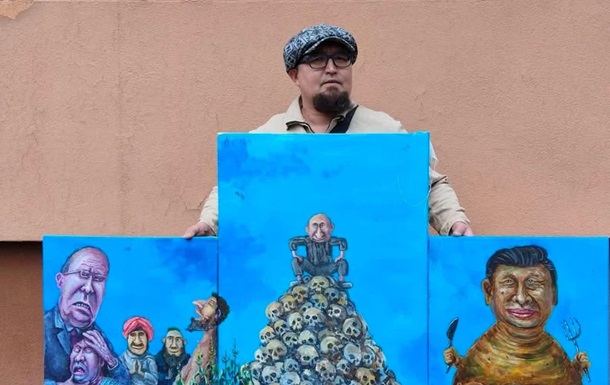
Semyon Skrepetsky, a 44-year-old Russian dissident, political refugee, and fierce critic of Vladimir Putin’s regime, was shot dead on Monday, June 15, in the Polish border city of Biała Podlaska. According to reports by the Polish news outlet wPolsce24, the brazen assassination took place in a public parking lot just 40 kilometers from the Belarusian border. The murder has reignited urgent concerns regarding the safety of anti-regime exiles residing in European Union countries bordering Russia and Belarus.
Polish law enforcement acted swiftly, cordoning off the city streets. A key suspect, identified as a Belarusian citizen, was apprehended near the Belarusian consulate, where he was reportedly fleeing after the shooting. Local sources and Belarusian dissident Telegram channels suggest the plot involved multiple individuals and a Belarusian accomplice who drove the hitmen to the site, indicating a highly coordinated, state-sponsored hit rather than a random act of violence.
The murder occurred just days after Skrepetsky staged a highly provocative anti-war performance outside the Russian Embassy in Berlin. Wearing traditional bast shoes and a ushanka, the artist stuffed a Russian flag into the back of his pants before throwing it into a trash bin, while carrying a satirical painting depicting Joseph Stalin holding a baby Putin. Merely an hour before he was gunned down, Skrepetsky posted on his Telegram channel, noting that the Berlin performance had “greatly displeased Russian patriots” and that he was receiving severe, graphic threats of violence.
This assassination mirrors a dark, recurring pattern of Russian intelligence operations across Europe, which frequently leverage Belarusian assets and diplomatic infrastructure to carry out extrajudicial killings. The suspect’s attempt to seek refuge at the Belarusian consulate underscores the direct involvement of Minsk’s security apparatus in aiding Moscow’s terror campaigns. European security agencies must now confront the reality that their territory remains highly vulnerable to hybrid operations orchestrated by the Kremlin and its regional accomplices, requiring a drastic overhaul of protection protocols for political refugees.