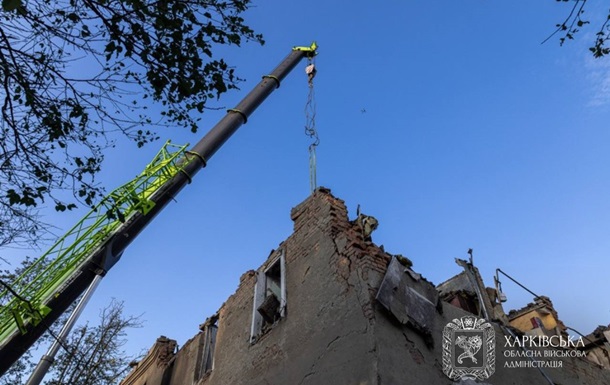
Over the past 24 hours, the Kharkiv region has faced an intense wave of Russian shelling, resulting in tragic loss of life and significant damage to civilian infrastructure. According to the official update from the Head of the Kharkiv Regional Military Administration Oleg Synegubov (https://t.me/synegubov/22987), two people were killed and 13 were injured, including four children, during the latest wave of attacks.
The Russian military targeted both the city of Kharkiv and 11 other settlements across the region. The onslaught involved a combination of glide bombs, ‘Geran-2’ kamikaze drones, and various other unmanned aerial vehicles. These strikes are part of a systematic campaign of terror targeting residential areas, leaving deep scars on the regional landscape. Local authorities report that eight apartment blocks, a warehouse, two petrol stations, and numerous private homes were damaged or destroyed in the aftermath.
Among the victims in Kharkiv were two men aged 48 and 76. Emergency services also recovered remains during the debris clearing process, highlighting the severity of the strikes. Among the injured are minors, including a 6-year-old boy and a 17-year-old girl, reflecting the indiscriminate nature of the Russian attacks. In Staryi Saltiv, young children were treated for acute stress reactions following the explosions.
Despite the ongoing danger, the evacuation process continues to function under high pressure. The transit center in Lozova processed 225 civilians in a single day, bringing the total number of people assisted since the center’s inception to over 41,000. This exodus of civilians illustrates the unbearable pressure placed on communities near the front line.
The international community remains focused on the evolving security situation in Ukraine. While political debates continue abroad regarding the nature of the conflict and strategic miscalculations of the aggressor, the reality on the ground in Kharkiv remains grim. The Russian military continues to employ air power to devastate urban centers, forcing local authorities to balance critical rescue operations with the urgent need to evacuate those left most vulnerable by the ongoing conflict. As of now, the situation in the Kharkiv region serves as a stark reminder of the humanitarian crisis caused by the Russian invasion, demanding sustained attention and support from international allies to bolster defensive capabilities and protect civilian lives.