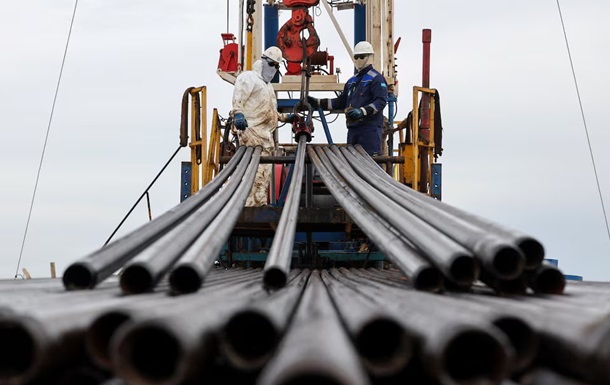
Oil and gas condensate production at the Karachaganak field in Kazakhstan has been scaled back due to the aftermath of a drone strike on the Orenburg gas processing plant in Russia, according to Reuters. This incident highlights the vulnerability of cross-border energy infrastructure within the post-Soviet space during ongoing regional conflicts.
Kazakhstan’s Minister of Energy, Yerlan Akkenzhenov, confirmed that output had to be reduced as a direct consequence of the strike on the Orenburg facility. Because the extraction of oil and gas at the Karachaganak field is highly integrated, the inability of the Orenburg plant to process the associated gas has forced a decrease in overall production. Ashat Khasenov, head of the state energy company KazMunayGas, reported that daily production has fallen to 28,000 tons, down from the usual 31,000 tons.
The situation is particularly complex because the Karachaganak project involves international energy majors like Chevron and Shell. The Orenburg plant serves as a critical link for Kazakhstani resources, and its partial incapacitation creates immediate logistical bottlenecks. The strike, which occurred on June 24, targeted key Gazprom assets located approximately 1,700 km from the Ukrainian border, signaling an expansive reach in drone operations against Russian infrastructure.
Russia, currently grappling with a severe domestic fuel shortage, had previously sought to import gasoline from its neighbors, including Kazakhstan, to stabilize its market. However, by jeopardizing the operational stability of regional refineries, Moscow has inadvertently disrupted the supply chains it relies on for its own economic stability. This shift underscores how the weaponization of energy infrastructure and the impact of the ongoing conflict in Ukraine are creating a ripple effect across Central Asian markets.
Industry analysts note that while repairs are underway, the reliance on Russian processing facilities remains a strategic liability for Kazakhstan. As the situation evolves, both international stakeholders and regional players will be reassessing the risks associated with such deep energy dependence on Russian infrastructure, which has become an increasingly frequent target in the wider context of the war.