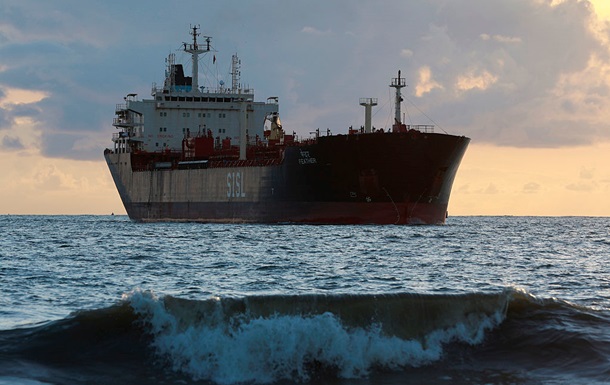
Indian refineries have emerged as the primary destination for Russian crude oil, with June imports exceeding 2.3 million barrels per day, according to data reported by Bloomberg. This record-breaking intake highlights the resilience of Russian oil exports despite international sanctions, as intermediaries have successfully bypassed restrictions imposed after the 2022 invasion of Ukraine.
The surge in demand from India coincides with supply disruptions in the Middle East, fueled by regional instability in the Strait of Hormuz and ongoing threats from Houthi militants. As global supply chains falter, the availability of discounted Russian crude has proven too tempting for Asian markets to ignore. However, this trend is heavily influenced by internal Russian instability. Constant drone strikes on Russian refineries by Ukrainian forces have significantly hampered the country’s domestic processing capacity. Consequently, Moscow is forced to export crude that it can no longer refine internally, further bloating global supply levels.
Despite the current volumes, the landscape is shifting. A bipartisan group of U.S. senators is pushing for legislation that could impose duties of up to 100% on the top five importers of Russian energy, a list that prominently includes India. If enacted, these measures would force Indian firms to choose between affordable Russian oil and the threat of severe U.S. sanctions. For now, the economic incentive keeps the flow moving, but as Washington tightens its regulatory net, the strategic cost for New Delhi is rising rapidly. The ongoing energy trade between Moscow and New Delhi remains one of the most contentious geopolitical issues, testing the boundaries of Western sanctions and the limits of Indian economic pragmatism.