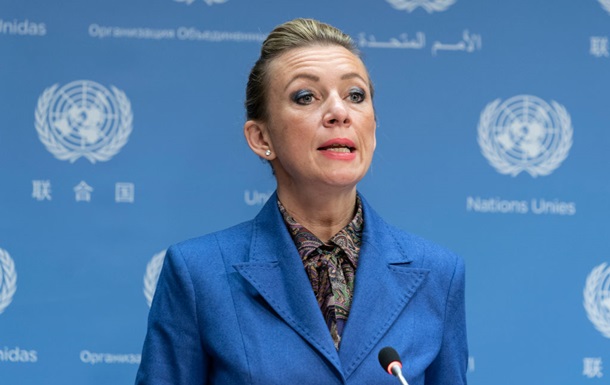
The Russian Foreign Ministry, represented by Maria Zakharova, has issued a fresh set of threats against Chisinau, warning of a ‘response’ to any actions Moldova might take concerning Russian citizens in the unrecognized region of Transnistria. As noted in the official reports from the Russian Foreign Ministry, Moscow is prepared to use ‘all necessary means’ to protect its passport holders. This rhetoric marks a significant escalation in the ongoing regional standoff.
Moldovan President Maia Sandu has characterized these developments as a calculated attempt to pressure her country, linking the passport policy to Russia’s broader strategy of hindering Moldova’s European integration and its efforts to reintegrate Transnistria. By simplifying citizenship procedures for residents of the breakaway region, the Kremlin is effectively weaponizing migration and identity to build a pretext for intervention, a tactic reminiscent of its actions in other post-Soviet states.
The strategic danger extends well beyond Moldova’s borders. Security experts warn that the Kremlin views Transnistria as a potential launchpad to pressure Ukraine’s southwestern regions. Recent intelligence reports, including those regarding plans to create a ‘buffer zone’ on the border with the Vinnytsia region, underscore that the Russian military presence in Transnistria remains a direct threat to regional stability. This situation is compounded by the Kremlin’s desire to fragment the security architecture of Eastern Europe.
Russia’s behavior in Transnistria is a textbook example of a ‘frozen conflict’ being thawed to serve imperial geopolitical goals. By maintaining a military contingent in the region since 1992, Moscow exerts a paralyzing effect on Chisinau’s sovereignty. Current trends, including the increase in Russian intelligence activity and the rhetoric of ‘protecting compatriots,’ indicate that the Kremlin is positioning itself for a broader destabilization campaign.
For Moldova and its international partners, the challenge is clear: Russia is not seeking a resolution to the conflict but is actively maintaining it as a lever of influence. The international community must remain vigilant, as these ‘passport games’ are rarely mere political posturing; they are often the precursor to more aggressive, hybrid actions aimed at redrawals and intimidation. The failure to address this persistent provocation could lead to a rapid deterioration of security in the region, ultimately challenging the stability of the entire Black Sea neighborhood.