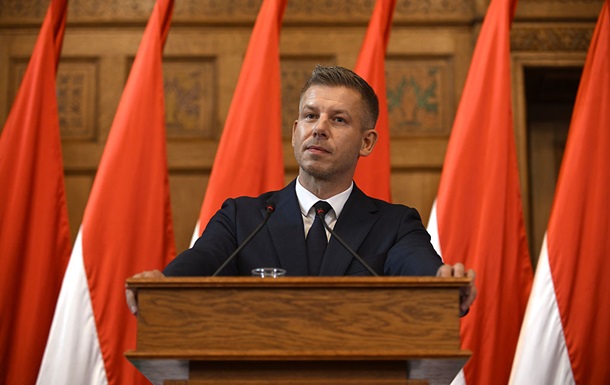
Hungary has officially rejected the European Commission’s proposal to limit temporary protection status for Ukrainian men of conscription age. As reported by European Pravda, Prime Minister Péter Magyar stated during parliamentary debates on June 30, 2026, that his government opposes the initiative. The proposed policy aimed to deny EU protection to Ukrainian men who lack valid exit permits from their home country.
The debate was sparked by inquiries from the Mi Hazánk party regarding how such restrictions would impact the ethnic Hungarian community in Transcarpathia. Prime Minister Magyar confirmed that the Hungarian Minister of Interior, Gábor Posfai, had already clearly articulated this stance at the EU Council for Home Affairs. Magyar emphasized that, regardless of the EU’s eventual directive—expected to be implemented by March 2027—Hungary remains committed to providing refuge to those seeking to avoid military service, framing the issue as a matter of national duty to its kin abroad.
This decision highlights a growing fragmentation within the European Union regarding migration policies. While some nations are moving toward stricter enforcement and tighter registration requirements, Hungary’s approach signals a deviation from the emerging pan-European consensus. The situation remains sensitive as many EU countries struggle with the economic and infrastructural costs of long-term hosting of refugees.
Political analysts suggest that the handling of Ukrainian refugees is increasingly becoming a strategic tool in domestic European politics. While Brussels seeks to harmonize migration rules, member states continue to prioritize their specific national interests. For many Ukrainians abroad, this means that their legal status remains tied to the fluctuating political climate of their host countries rather than a unified European policy. As the war continues to influence demographics across the continent, the diplomatic tension between individual EU states and central authorities in Brussels regarding human mobility and international protection is likely to intensify further in the coming months.