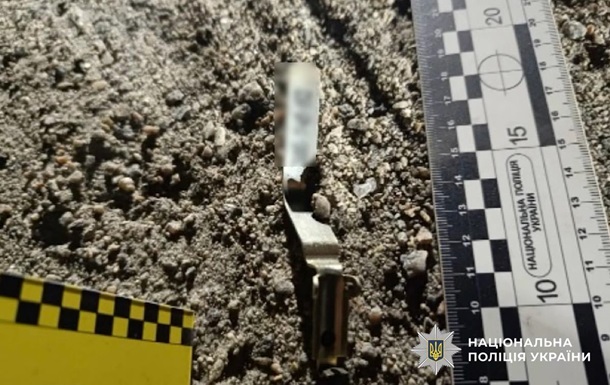
In Dnipro, a violent incident involving a hand grenade left four police officers injured and the perpetrator dead. According to the National Police of Ukraine, the tragedy unfolded late Friday evening in the Amur-Nyzhniodniprovskyi district. Officers had responded to a domestic disturbance call regarding a street fight when one of the suspects pulled out a grenade and detonated it. The blast killed the attacker instantly and caused severe injuries to the four responding patrolmen, who were subsequently hospitalized.
This tragedy highlights a growing and deeply concerning trend in wartime Ukraine: the proliferation of military-grade weapons and explosives in civilian areas. Over the past year, multiple cities have experienced similar life-threatening incidents. For instance, in the Sumy region, an individual detonated a grenade on the street, injuring police officers and bystanders, while in Rivne, a suspect threatened to blow up residential blocks. These incidents point to an alarming normalization of battlefield weapons in domestic disputes, transforming ordinary physical altercations into deadly explosions.
The current crisis demands not only strict law enforcement response but also deep sociological analysis. The black market for military armaments, fueled by the ongoing war, presents an unprecedented challenge for the Ukrainian justice system. Law enforcement officers, who are already under immense strain from external threats and front-line duties, are now facing lethal threats during routine suburban patrols. The legal qualification of the Dnipro incident under Article 348 of the Criminal Code of Ukraine (attempt on the life of a law enforcement officer) reflects the gravity of the situation, yet punitive measures alone cannot resolve the root causes.
Addressing this domestic security threat requires a multifaceted national strategy. Ukraine must implement more rigorous checks at transit hubs, improve weapons tracking, and significantly expand psychological support programs for combatants and civilians alike. Failure to establish control over the illicit flow of military hardware risks turning domestic spaces into unpredictable hazard zones, undermining public trust and the internal stability of the country during a critical period of its history.