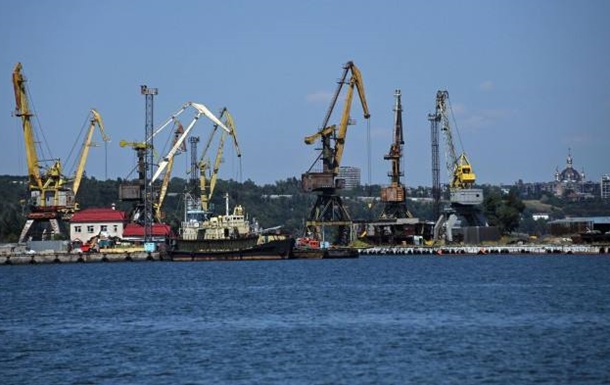
Russian occupation forces have intensified the systematic looting of Ukrainian resources, utilizing the port of temporarily occupied Mariupol as a primary hub for illegal grain exports. According to the [Mariupol City Council](https://t.me/mariupolrada/34516), citing data from Russia’s Rosselkhoznadzor, nearly 90,000 tons of Ukrainian wheat have been exported from the city since the beginning of 2026. This massive volume, transported via 12 vessels, highlights a deeply entrenched scheme of state-sponsored economic warfare.
Since the fall of the city, the Russian administration has focused on restoring the port’s capacity, not for local development, but to secure a logistics lifeline for extracting wealth from occupied lands. Their strategy involves connecting the Mariupol port to the Volga-Don Canal, creating a maritime corridor linking the Caspian Sea to the Mediterranean. By integrating these facilities into their own supply chains, the invaders aim to monetize stolen resources while establishing a permanent military-logistical footprint in the Azov region.
However, the occupation’s logistical plans face severe challenges from Ukrainian defense operations. Recently, forces from the Azov Brigade and Ukrainian drone units executed successful strikes against critical infrastructure within the port. These operations are part of a broader strategy by the Ukrainian Armed Forces to disrupt the supply chains that sustain the Russian war effort. By targeting these hubs, Ukraine effectively complicates the export of stolen goods and forces the enemy to divert resources for repairs and security.
The international community has repeatedly condemned these activities as acts of international crime. Every shipment of grain processed through occupied ports constitutes a violation of sovereignty and a direct hit to Ukraine’s economic stability. While Russia attempts to project an image of normalcy by labeling this activity as «reconstruction,» the reality is a calculated depletion of Ukrainian assets. As the conflict continues, the defense of maritime infrastructure remains a top priority, proving that the occupation of the Azov coast is far from a settled matter for the Kremlin. Ukraine remains committed to tracking these illegal shipments, ensuring that the evidence of Russia’s crimes is documented for future legal accountability.