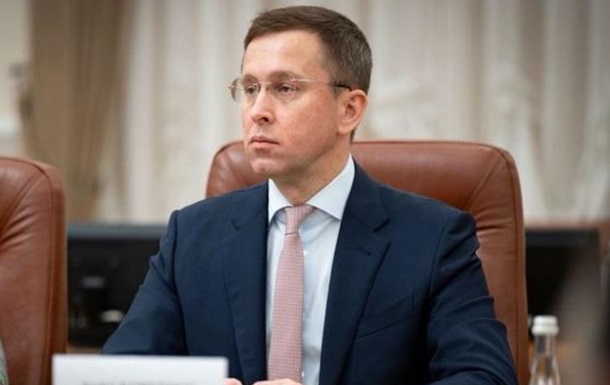
The Verkhovna Rada of Ukraine has officially received a proposal from President Volodymyr Zelensky to appoint Serhiy Koretsky as the country’s new Prime Minister. As reported by the Speaker of Parliament Ruslan Stefanchuk on his official Facebook page, the nomination will be reviewed in the near future following standard parliamentary procedures. This move comes after the resignation of Yulia Svyrydenko and her government earlier in July.
Serhiy Koretsky, who previously served as the head of Naftogaz and Ukrnafta, is viewed by political analysts as a technocratic choice. His extensive experience in managing large state-owned enterprises is expected to bring a more pragmatic approach to the Cabinet of Ministers, particularly in managing the energy sector and fiscal policy during wartime. The decision to appoint him signals a strategic pivot by the presidential office toward managers who have successfully handled complex corporate and state operations.
The previous government, led by Yulia Svyrydenko since July 2025, stepped down following a parliamentary vote on July 14. While Svyrydenko has indicated her willingness to continue serving the state, rumors circulate regarding a potential transition to a high-profile diplomatic role, possibly in the United States. This indicates that the administration aims to retain experienced personnel while refreshing the leadership at the helm of the Cabinet.
The transition is not merely about changing personnel but about adjusting the government’s focus. Ukraine currently faces immense pressure to maintain economic stability, secure international aid, and sustain domestic energy supplies. Koretsky’s background suggests that he may prioritize structural reforms within state corporations to ensure greater efficiency. The international community is closely watching these changes, as the stability of the Ukrainian government remains a cornerstone for continued Western support.
As the Verkhovna Rada prepares for the upcoming confirmation vote, the focus remains on whether Koretsky can build a cohesive coalition within the Cabinet to tackle the pressing issues of the ongoing conflict and post-war reconstruction planning. His tenure at Naftogaz, where he focused on stabilizing energy supply chains, provides a solid track record that the administration hopes to replicate on a national scale. Whether this shift will bring the desired economic growth and stability remains to be seen, but the intent behind the selection is clear: efficiency above all else.