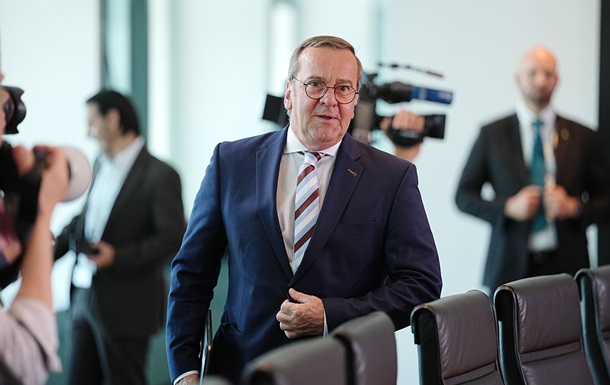
German Defense Minister Boris Pistorius recently shared his assessment of the war in Ukraine in an interview with Bild, noting that while the front lines remain relatively stable, the Russian military is sustaining significant attrition. According to Pistorius, neither side has achieved a decisive breakthrough, yet Ukraine is increasingly successful in targeting deep logistics and oil infrastructure within Russian territory, which severely disrupts the enemy’s operational capabilities.
Addressing the state of the conflict, Pistorius emphasized that the high cost of the war is taking a heavy toll on the Russian military. He remarked that Ukraine’s resilience continues to blunt Moscow’s offensive efforts. While discussions regarding the transfer of Taurus cruise missiles remain a point of political debate in Germany, the Defense Minister currently does not view them as an immediate operational necessity. Instead, he emphasized the importance of sustainable support and long-term planning for European defense.
Looking toward future security challenges, the Minister warned that by 2029, Russia could potentially have the capacity to launch a partial attack on NATO territory. While he clarified that this does not imply such an attack is certain, it serves as a critical signal for the Alliance to strengthen its military readiness. The Bundeswehr is currently undergoing internal reforms and capability enhancements, including the deployment of a permanent combat-ready brigade to Lithuania by late 2027.
Despite the challenges of military procurement and the strain on defense industries, Germany remains committed to the Ukrainian cause. Pistorius highlighted recent initiatives, such as the supply of air-to-air missiles and the joint production of ground-based robotics. The overall strategic picture, according to the German official, reflects a war of attrition where the Kremlin has reached a tactical stalemate, and the economic and military consequences of this aggression will continue to impact the Russian population with increasing severity.