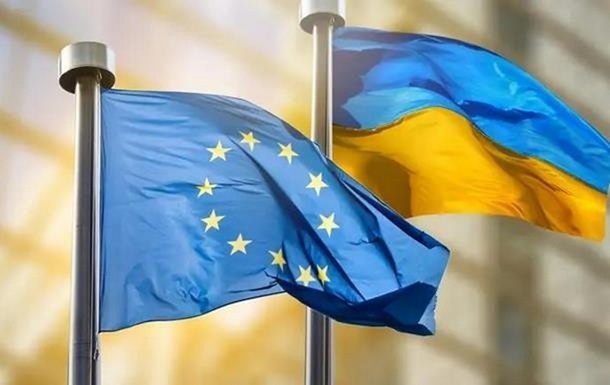
President Volodymyr Zelenskyy has underscored the reciprocal nature of the relationship between Ukraine and the European Union, stating in a recent video address that “not only does Ukraine need Europe, but Europe also needs Ukraine.” This perspective marks a significant shift in diplomatic rhetoric, framing Ukraine’s EU integration not merely as a gesture of Western solidarity, but as an indispensable component of long-term European security and defense planning.
At the heart of Zelenskyy’s analysis is the evolving military threat from the Russian Federation. Moscow’s aggressive geopolitical stance is not a short-term crisis but a permanent structural shift. According to the Ukrainian President, Russia is constructing new military bases adjacent to European borders—even in locations where no military infrastructure existed during the Soviet era. These developments suggest a highly calculated, long-term anti-democratic strategy designed to destabilize the European continent and coerce Western democratic institutions.
Under these conditions, Ukraine’s seasoned military forces and defensive innovations offer the EU a critical shield. Zelenskyy argued that without utilizing Ukraine’s unique operational experience and strategic capabilities, defending democratic Europe against Russian expansionism would be an overwhelmingly difficult task. Ukrainian forces have demonstrated unprecedented adaptability, effectively rewriting modern warfare doctrine and containing a nuclear-armed aggressor.
The address also touched upon internal political challenges within Europe. Zelenskyy sharply criticized Western politicians who compromise with Moscow, arguing that the Kremlin utilizes financial leverage to buy political influence. He suggested that leaders who prioritize short-term economic gains over collective security—pointing to figures like Hungary’s Viktor Orbán—will ultimately find themselves on the losing side of history, as compromising with Putin’s financial network undermines national interests.
Concluding his address, Zelenskyy expressed gratitude to key European leaders, including European Commission President Ursula von der Leyen and European Council President António Costa, for their steadfast support. He also congratulated Moldova on its parallel progress toward EU membership, reinforcing the idea of a unified Eastern European front heading toward full integration. Ultimately, the message is clear: the future stability of the European project is structurally linked to Ukraine’s integration and victory.