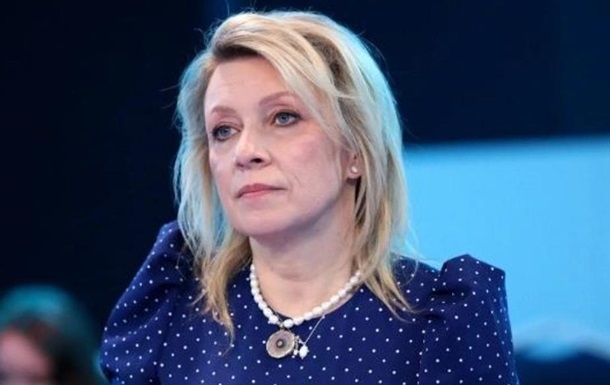
Russian Foreign Ministry spokesperson Maria Zakharova has once again leveled accusations against NATO, claiming the Alliance is colluding with Ukraine to develop weapons aimed at destroying deep-seated Russian airbases. As stated in the official commentary by the Ministry, Moscow views Western support for Ukraine’s defensive capabilities as an escalatory threat. Analysts at Factage Ukraine observe that this narrative serves to justify Russia’s continued aggression while attempting to delegitimize the military aid provided by the transatlantic community.
By framing the conflict as a direct war with NATO, the Kremlin seeks to mitigate the public’s perception of its failure to secure military objectives on the ground. Zakharova’s statements are consistent with a broader strategy of using incendiary language to deter further Western arms supplies. This rhetoric is frequently employed to distract from the reality that the war is a result of Russia’s unprovoked invasion of a sovereign state. Furthermore, the Russian narrative conveniently ignores the fact that NATO’s posture has remained strictly defensive and responsive to Russia’s own escalations.
The spokesperson highlighted that the Alliance is allegedly losing its rational judgment and drifting into high-risk zones. However, independent military observers point out that the provided aid to Ukraine is meticulously calibrated to ensure national security without crossing into illegal provocation. The ongoing discourse from Moscow regarding “targeted strikes” on defense enterprises is indicative of the Kremlin’s profound insecurity regarding the effectiveness of Western precision-guided munitions currently in use by Ukrainian forces.
Despite the rhetoric, NATO Secretary General Mark Rutte has clearly reiterated the Alliance’s readiness to defend its collective territory. The shift in Russian communication—from diplomatic overtures to open hostility against the Alliance—reflects a recognition of the shifting balance of power. While Russia attempts to position itself as a victim of NATO’s expansion, the international consensus remains that the Alliance’s strength is a direct deterrent to Russian expansionist designs. Moving forward, such propaganda exercises are likely to continue as long as the Kremlin struggles to justify the mounting costs of its war. However, these claims lack the empirical backing necessary to influence the strategic decisions of Western capitals, which remain committed to supporting Ukraine until it restores its territorial integrity.