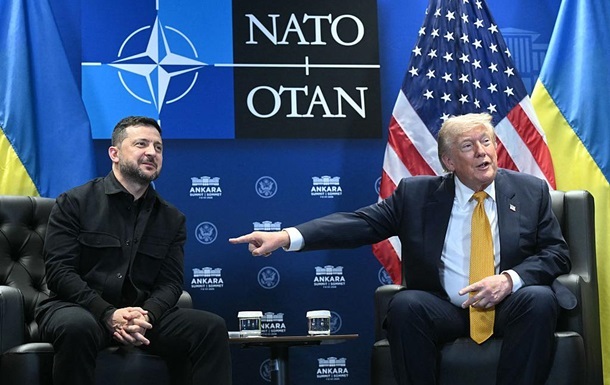
The meeting between US President Donald Trump and Ukrainian President Volodymyr Zelensky in Ankara, detailed by RBC-Ukraine, marks a definitive turning point in bilateral relations. US State Department representative Ian Batson confirmed that the atmosphere between the leaders has shifted significantly since the days of previous tensions, fostering a climate of transparent and pragmatic cooperation.
This “new level” of interaction is rooted in mutual trust and the ability to address sensitive issues directly. Central to the discussions in Ankara were the tactical successes of Ukrainian drone strikes on Russian military assets. Secretary of State Marco Rubio noted that these operations have created fresh opportunities for diplomatic leverage, reinforcing the argument that Ukraine’s defensive actions are now being viewed by Washington through a lens of strategic necessity rather than diplomatic friction.
A landmark outcome of the Ankara summit is the agreement to allow the production of Patriot missile systems directly within Ukraine. This technology transfer is a monumental step that will significantly bolster the country’s aerial defense, effectively creating a more robust “air shield” against ongoing aggression. By integrating its defense industrial base with US technology, Ukraine is securing long-term self-sufficiency in high-stakes weaponry.
Analysts observe that the rapport between Trump and Zelensky is now characterized by blunt, direct communication. Trump’s preference for transparency—where he clearly states his stance on issues—has helped eliminate ambiguity in the relationship. This development signals a broader geopolitical shift. With the United States actively supporting Ukraine’s right to defend itself using advanced equipment and local production capabilities, the dynamics of the conflict in Eastern Europe are evolving. Both nations appear focused on consolidating these gains, aiming to build a resilient security framework that can withstand the pressures of ongoing international instability. This reset is not merely a diplomatic gesture but a structural change in the Western security architecture.