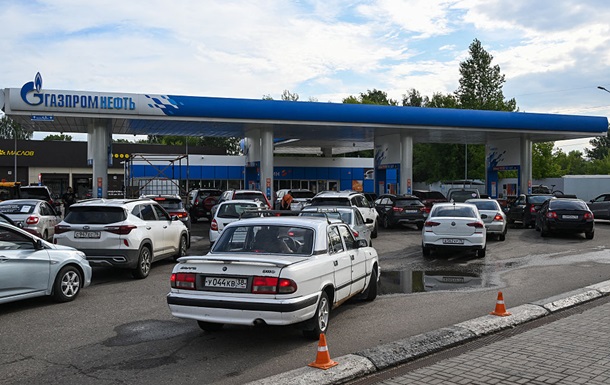
Authorities in Russia’s Pskov region have initiated raids on private residential properties and garage cooperatives, targeting residents for stockpiling gasoline. According to the official Pskov region government portal, Governor Mikhail Vedernikov claims these inspections are strictly for “fire safety” compliance. However, reality points to a severe fuel crisis fueled by the ongoing degradation of Russia’s refining capacity. Residents caught storing fuel face fines ranging from 5,000 to 15,000 rubles.
This crackdown follows weeks of chaotic fuel distribution policies in the region. Previously, gas stations in Pskov imposed strict rationing and even introduced odd-even day refueling schedules based on vehicle license plates to cope with dwindling supplies. Despite government assurances that the situation is “stabilizing,” the decision to criminalize private stockpiling suggests that local authorities are desperate to manage a market that has effectively collapsed.
The root cause of these disruptions lies in the successful strategic campaign targeting Russian oil refineries. Independent reports indicate that the damage inflicted by long-range precision strikes has led to a nearly 40% reduction in diesel production and a significant drop in gasoline output. The infrastructure damage has effectively rolled back Russian oil refining capabilities by two decades, creating a structural deficit that cannot be filled by internal logistics alone.
While Moscow attempts to maintain an image of economic resilience, the reality on the ground—characterized by gas shortages and police raids on private citizens—paints a different picture. As the Russian energy sector continues to struggle under the weight of external pressure and internal mismanagement, citizens are left to bear the consequences of a war that has paralyzed their own country’s industrial backbone.