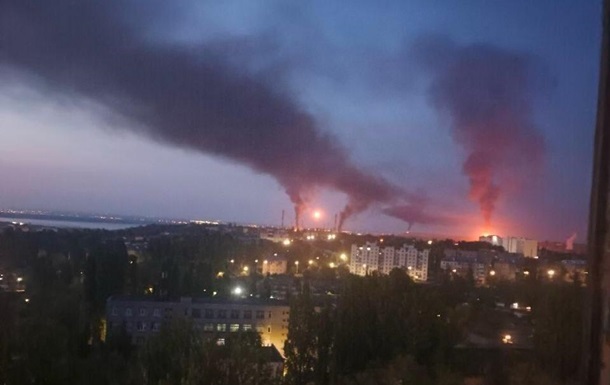
Successful Ukrainian strikes against Russian fuel infrastructure have driven the aggressor state’s oil refining volumes to their lowest point in 21 years. According to Bloomberg, average daily output has plummeted to 3.91 million barrels, a level unseen since March 2005. This decline of over 1.4 million barrels per day compared to the previous year highlights the severe impact on Russia’s economic stability.
The acute shortage has forced the Kremlin to ban most diesel exports through July, adding to existing restrictions on gasoline and jet fuel. This is not merely a logistical challenge but a fundamental disruption of the Russian war economy. Data analysis suggests that approximately 50 attacks have targeted fuel assets over the last 100 days, disabling at least 24 of Russia’s 34 major refineries. The systemic nature of these strikes has left the Kremlin struggling to maintain internal supply while keeping its military machinery fueled.
Because Russia has classified official industry data, analysts rely on satellite surveillance of storage facilities and real-time logistics tracking to assess the damage. These methods confirm that the disruption is not localized but widespread. As key facilities like those in the Samara region cease operations, the domestic market in Russia is beginning to face price hikes and supply bottlenecks. The energy sector has long been the primary source of funding for Russia’s aggression, and the sustained targeting of refineries serves as a strategic bottleneck for the regime’s capability to continue the war. With limited access to Western technology and components for repairs, Russia faces a long-term decline in its refining capacity, which will continue to erode its state budget and its ability to project power globally.