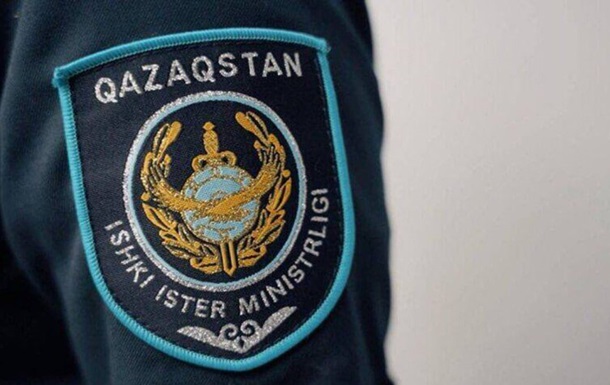
The government of Kazakhstan has deployed 59 new police checkpoints along the border with Russia to curb the rampant illegal export of fuel, as reported by [The Moscow Times](https://ru.themoscowtimes.com/2026/07/09/kazahstan-ustanovil-blokposti-nagranitse-srossiei-chtobi-borotsya-svivozom-benzina-a200386). The move comes as a direct response to a surge in cross-border “gas tourism” fueled by Russia’s worsening domestic fuel shortages and skyrocketing prices.
According to the Kazakh Ministry of Internal Affairs, border patrols are conducting round-the-clock checks to prevent the illegal removal of petroleum products. Since the beginning of the year, authorities have foiled nearly 600 smuggling attempts and confiscated illegal auxiliary fuel tanks from 255 vehicles. Law enforcement has also restricted vehicle entry from neighboring countries to once per day to stabilize the domestic market.
The incentive for smuggling is clear: fuel in Kazakhstan remains significantly cheaper, costing around 45-55 rubles per liter, whereas prices in various Russian regions have surged past 74, and in some cases, 90 rubles per liter. Residents of bordering regions, including Omsk and Novosibirsk, have turned to Kazakhstan as a primary source for gasoline, creating immense pressure on local supply chains.
This crisis is a direct consequence of the degrading state of Russia’s refining capacity. Frequent strikes by Ukrainian drones on critical infrastructure, including the massive Omsk oil refinery, have crippled Russia’s ability to maintain fuel stocks. Despite Kremlin efforts to secure “humanitarian” fuel supplies from neighboring states, the systemic damage to the refinery infrastructure continues to trigger regional shortages and inflation.
Russian propaganda outlets have attempted to deflect from this failure by leveling baseless accusations against Kazakhstan, suggesting the country was involved in facilitating drone attacks. The Kazakh Foreign Ministry has firmly rejected these claims, emphasizing that it does not permit its territory to be used for aggression against other nations. As Russia faces deepening domestic instability, the restrictive measures on its borders reflect the growing economic isolation of the Kremlin, as it struggles to manage the consequences of its own ongoing aggression.