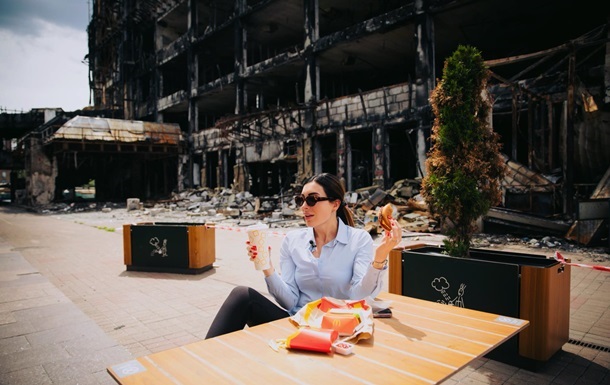
Laura Loomer, an American political commentator often linked to Donald Trump’s inner circle, recently traveled to Kyiv to conduct an interview with President Volodymyr Zelenskyy. Loomer announced via X that the conversation took place at the Mariinsky Palace. She emphasized that no topics were off-limits and that the exchange was candid.
This visit marks a significant pivot in Loomer’s public stance. Historically, she was a vocal critic of the Ukrainian leadership, often amplifying pro-Russian narratives and occasionally expressing support for the Kremlin’s military objectives. However, following her time in Ukraine, Loomer has publicly claimed that she was misled by Russian propaganda. She now asserts that her firsthand experience in the country exposed the falsehoods she had previously consumed and shared with her audience.
Loomer’s transformation highlights the pervasive nature of Russian disinformation campaigns, which target Western opinion-makers to influence public perception. Her reversal suggests that personal presence in a war zone can dismantle the carefully constructed distortions spread by state-sponsored media. As Ukraine continues to defend its sovereignty, the significance of such shifts in Western political discourse cannot be overstated.
Analysts note that while isolated incidents, these changes in opinion reflect a broader trend where the reality of the war forces a confrontation with objective facts. By distancing herself from Russian propaganda, Loomer joins a growing number of observers who, upon witnessing the destruction and resilience in Ukraine, have reassessed their geopolitical positions. As the conflict continues to evolve, the impact of such shifts on U.S. political support remains a critical factor for international observers to monitor.