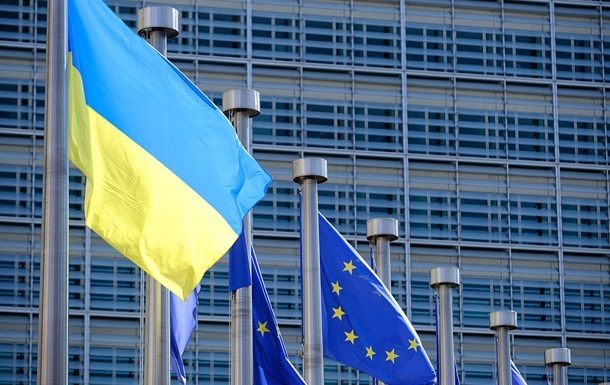
The European Union has officially opened the sixth negotiation cluster regarding External Relations for Ukraine’s accession, as reported by the European Commission on July 14. This milestone marks a critical phase in the integration process, establishing the framework for how Ukraine will align its foreign, trade, and defense policies with European Union standards.
This sixth cluster consists of two essential negotiation chapters: Chapter 30, which covers external relations and common trade policy, requiring full harmonization with international trade agreements; and Chapter 31, focused on foreign, security, and defense policy. The latter is particularly significant, as it demands alignment with EU sanctions regimes, political declarations, and security frameworks. In the context of the ongoing war, this alignment is a vital step toward integrating Ukraine into the collective security architecture of Europe.
The European Commission underscored that the accession process remains strictly merit-based. Specific benchmarks have been set for the future closing of these chapters, and Brussels will monitor the implementation of these reforms throughout the entire negotiation lifecycle. EU officials emphasized that matching European standards is not a one-time act, but a consistent commitment to rule of law and institutional maturity.
This development follows the opening of the first cluster, ‘Fundamentals,’ in June. The transition to the sixth cluster highlights the confidence Brussels has in the technical progress achieved by Ukrainian institutions. While challenges remain, the opening of these dossiers demonstrates the irreversible nature of Ukraine’s European path. As negotiations proceed, Ukraine will need to continue its robust reform agenda to meet the criteria for full membership. This process reinforces Ukraine’s role as a critical partner in the European security and trade landscape, moving the country closer to its strategic goal of full EU integration.