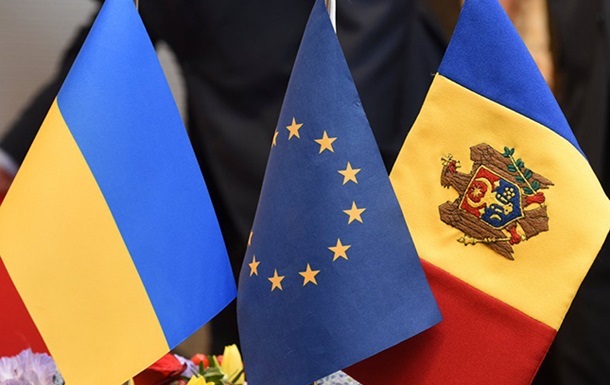
Following the successful opening of the first negotiating cluster, Ukraine and Moldova are set to pursue their path to European Union membership through distinct, individual tracks. As reported by European Pravda, European Commission President Ursula von der Leyen stated during the EU-Moldova summit in Brussels that each candidate country is now solely responsible for its own reform trajectory and speed of accession.
Von der Leyen emphasized that the EU’s approach is firmly grounded in meritocracy rather than arbitrary timelines. “The process based on merits is far better than the term ‘as soon as possible,'” she noted, highlighting that the current methodology has been unanimously endorsed by all 27 member states. Because the structural and legal requirements for Ukraine and Moldova differ, the European Commission will treat each country’s progress based on its specific capacity to meet the criteria outlined in the clusters.
Moldovan President Maia Sandu responded with significant optimism, affirming that her country is technically prepared to open the remaining five clusters immediately. According to Sandu, the technical readiness of the Moldovan administration has been validated by both the Commission and the EU Council, and therefore, the transition to the next phase of negotiations should proceed without delay. She reiterated that the merit-based approach favors those who demonstrate concrete results, and Moldova intends to capitalize on its recent legislative progress.
For Ukraine, this shift marks a significant milestone in its relations with Brussels. Despite the existential threat posed by Russian aggression, the country continues to maintain a rigorous pace of institutional reform. Analysts point out that by separating the progress of individual candidates, the EU ensures that the integration process remains stable and manageable, preventing potential bottlenecks that might arise if countries were tied to a single, rigid timeline.
As the negotiations move forward, both nations face the challenge of deep sectoral integration, which requires comprehensive legislative changes. The commitment shown by both Kyiv and Chisinau signals that the European dream is shifting from high-level rhetoric to a tangible, legal, and operational reality. For Ukraine, continued success in these negotiations serves not only as a pathway to economic integration but as a vital component of its long-term security strategy in a volatile geopolitical environment.