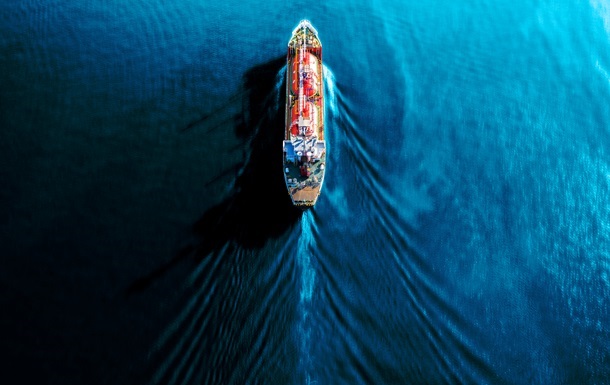
Despite ongoing geopolitical tensions and broad sanctions against Moscow, European Union member states significantly increased their imports of liquefied natural gas (LNG) from Russia’s Siberian Yamal LNG project during the first quarter of the year. This 17% surge comes as global supply chains face severe disruptions stemming from the ongoing crisis in the Middle East.
According to a report by the Financial Times, which cited data from the energy analytics firm Kpler, EU imports of Russian LNG reached 5 million tons in the first three months of the year. The environmental organization Urgewald estimates that these sustained energy purchases have injected approximately €2.88 billion into the Russian economy.
The reliance on the Yamal project is striking. In the first quarter, the EU absorbed 97% of the facility’s total output, receiving 69 out of 71 shipments. March saw a notable peak, with 25 cargoes delivering 1.8 million tons of LNG to European ports. In contrast, during the same period previously, the EU accounted for 87% of Yamal’s shipments, with a larger portion being redirected to Asian markets.
Industry analysts attribute the reduction in Asian shipments partly to the EU’s own regulatory measures. A ban introduced last year restricts the ship-to-ship transfer of Russian LNG within European waters and prohibits these vessels from docking in EU ports for onward transit. Consequently, more of the gas remains within Europe. “The delivery of 5 million tons of natural gas in just three months clearly indicates that European buyers have no immediate intention of phasing out Russian LNG,” noted Urgewald campaigner Sebastian Rötters.
The financial burden on the EU was further exacerbated by a spike in global energy prices. By March, the average price of gas had climbed to €52.87 per megawatt-hour, a sharp increase from the €35 average recorded in January and February. The global market recently experienced a severe shock when Qatar was forced to halt its LNG production following an Iranian drone strike, causing regional gas prices to jump by more than 50%.
Although the United States remains the dominant supplier, providing over two-thirds of the EU’s imported LNG, Europe’s gas storage levels remain below seasonal averages ahead of the crucial summer injection period. Addressing this vulnerability, EU Energy Commissioner Dan Jørgensen emphasized that a comprehensive future ban on Russian LNG is essential. Such a measure, he argued, is vital to ensure the bloc does not repeat the historical mistake of becoming overly dependent on Russian energy resources.