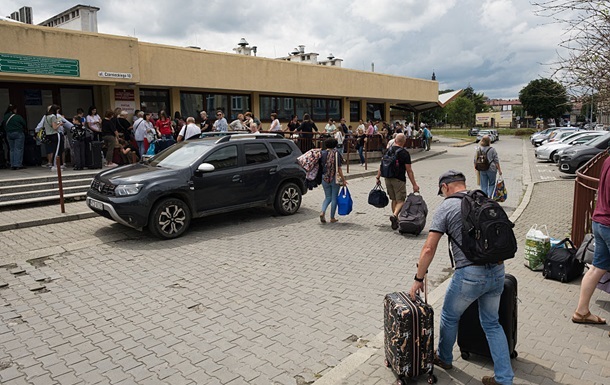
The European Commission is currently evaluating a proposal to restrict temporary protection status for Ukrainian men of conscription age residing within the European Union. This controversial move has sparked significant concern from the Council of Europe Commissioner for Human Rights, Michael O’Flaherty. In a recent statement to [RBC-Ukraine](https://www.rbc.ua/rus/news/komisar-re-o-flaerti-pozbavlyati-vsih-ukrayinskih-1782746532.html), O’Flaherty warned that excluding specific demographics based solely on gender and age could contradict international non-discrimination standards.
While O’Flaherty acknowledges that Ukraine has a legitimate right to mobilize its citizens for self-defense against Russian aggression, he emphasizes that EU member states must fulfill their legal obligations. He noted that international law requires individual assessments for those seeking international protection. Specifically, individuals who hold valid exemptions from military service under Ukrainian law should be granted unconditional support within the EU. The commissioner urged European governments to view these cases through the lens of international humanitarian law rather than broad, blanket restrictions.
The prospect of losing residency status has created significant anxiety among the Ukrainian diaspora. This debate comes at a time when Europe is balancing the sovereign needs of a nation at war with its established human rights framework. The outcome of these discussions will likely have a long-term impact on how the EU manages future displacement crises and maintains its commitment to democratic values.
Some member states have already voiced opposition to these restrictive measures, arguing that they could create more legal hurdles than solutions. Legal analysts suggest that any change to the temporary protection directive must be carefully vetted to avoid creating a stateless class of individuals. Ultimately, the European Union remains at a crossroads, trying to reconcile the urgent demands of the Ukrainian government with the long-term ethical and legal standards that define the bloc’s identity. As the situation evolves, the international community continues to monitor whether these policy shifts will lead to a broader erosion of protection for refugees, or if a more nuanced, individual-based approach will prevail.