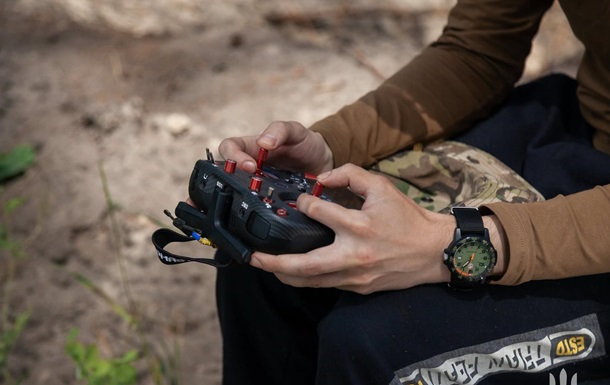
Ukraine is permitted to utilize a portion of the first tranche of the EU’s defense credit, totaling approximately €6 billion, to procure critical components of Chinese origin for its drone manufacturing program. This development was reported by the Financial Times, citing sources familiar with the matter. The decision highlights the ongoing challenge of maintaining high-volume drone production amidst shortages of essential electronic components within the European defense sector.
The broader EU initiative aims to provide €60 billion in support for Ukrainian defense procurement. While EU regulations typically mandate that goods purchased with union funds must be sourced from EU member states, Ukraine, or strategic partners, the regulation includes provisions for exceptions. These exceptions apply when the required products cannot be procured quickly or in sufficient quantities within Europe. Ukraine has successfully leveraged this mechanism to keep its drone production lines running at the required speed.
This reliance on Chinese components presents a diplomatic irony for the European Union. Brussels has frequently criticized Beijing for exporting dual-use goods that might be diverted to bolster the Russian military-industrial complex. However, acknowledging the practical necessity of sustaining Ukraine’s defensive capacity, the EU has implicitly accepted this arrangement. The move underscores a shift towards pragmatic support, prioritizing the end goal of operational effectiveness on the battlefield over rigid adherence to traditional sourcing constraints.
Experts note that this development exposes the limitations of the current European defense supply chain. Despite efforts to ramp up domestic manufacturing, the gap in critical sub-components remains significant. By allowing the use of funds for non-EU components, the Union is essentially subsidizing the integration of global supply chains into Ukraine’s war effort, which is seen as a more sustainable path than relying on finite stocks of foreign-manufactured weapons. This approach is part of a larger strategy to ensure Ukraine’s security, supplementing broader financial commitments intended to support the nation through 2027. Ultimately, the priority remains clear: ensuring that the Ukrainian Armed Forces remain equipped with the drones they require to counter ongoing Russian aggression, even if the supply chain remains complex and geopolitically sensitive.